Wisdom

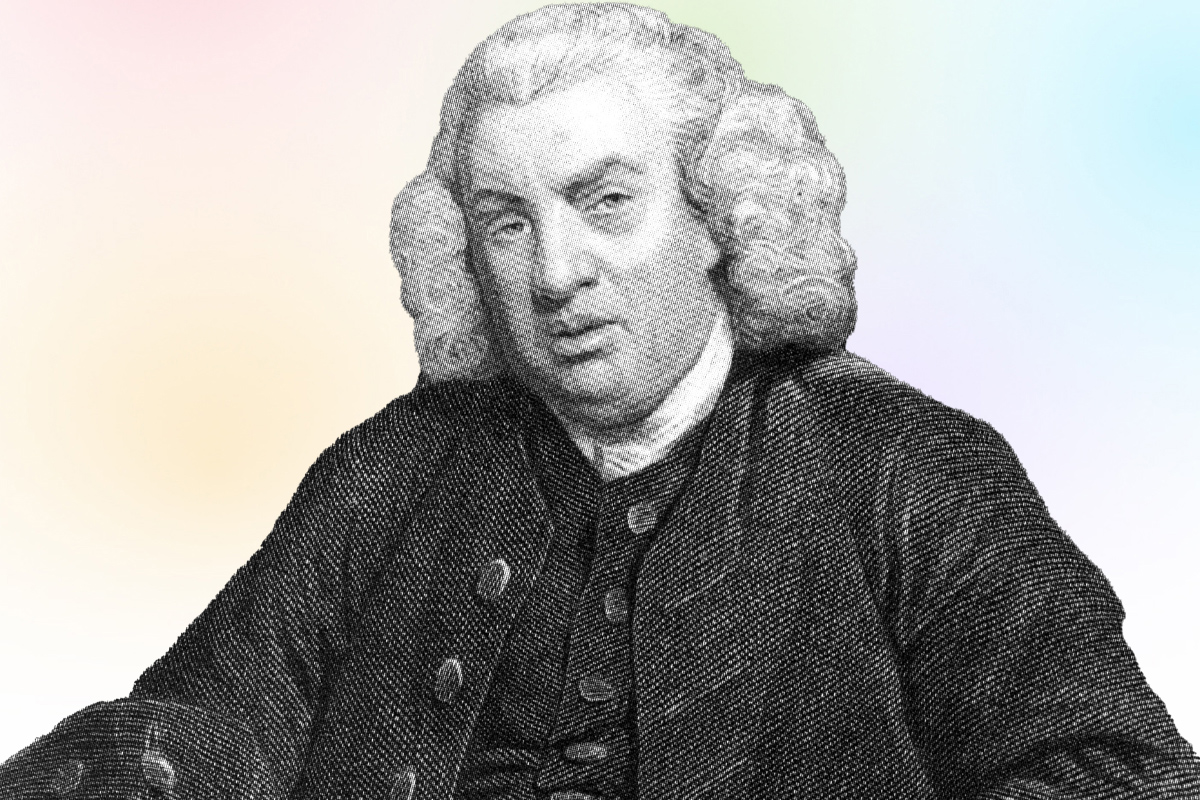
Curiosity is, in great and generous minds, the first passion and the last.

Samuel Johnson

Curiosity is never-ending. As English author Samuel Johnson wrote in the 18th century, it expands your mind — and the more that happens, the more curious you become. Johnson explained, “He who easily comprehends all that is before him, and soon exhausts any single subject, is always eager for new inquiries; and in proportion as the intellectual eye takes in a wider prospect, it must be gratified with variety, by more rapid flights and bolder excursions.” So as we learn, our thirst for knowledge deepens, and our curiosity leads us to explore even further — turning learning into a lifelong process of enrichment.
Samuel Johnson
Samuel Johnson
English writer and lexicographer (1709-1784)
See All Quotes
Advertisement
Advertisement
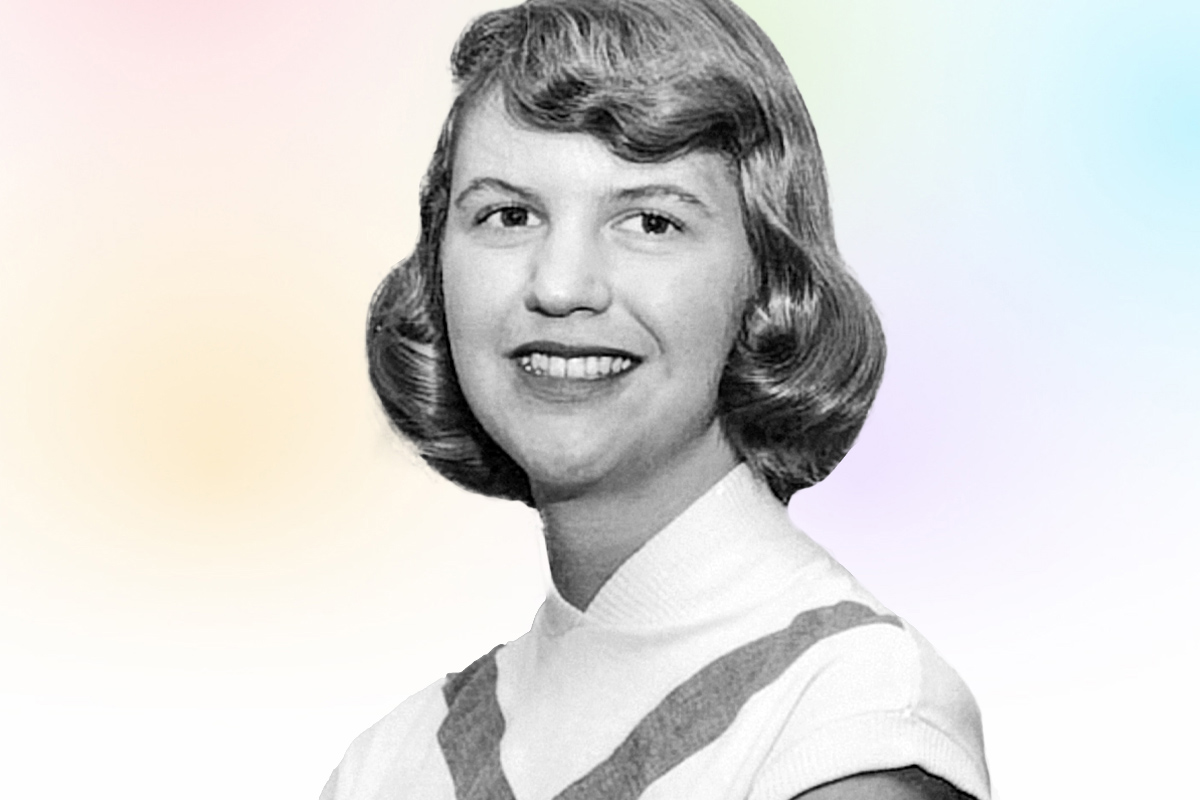
Although Sylvia Plath won a Pulitzer Prize for her book “The Collected Poems,” she is perhaps best known for “The Bell Jar,” a 1963 novel based on events that shaped her life. Alfred A. Knopf, Plath’s first American publisher, passed on “The Bell Jar” twice. But through the author’s strong belief in her talent and her dedication, she acquired a measured response to such brushoffs. Plath understood that professional writing meant courting criticism — first from editors, then reviewers, and finally readers. Rather than fretting over responses she couldn’t control, Plath celebrated each time she was vulnerable enough to send her work out into the world.
Sylvia Plath
Sylvia Plath
Poet and novelist (1932-1963)
See All Quotes
Advertisement
Advertisement
Happiness

I prefer to be true to myself, even at the hazard of incurring the ridicule of others.

Frederick Douglass

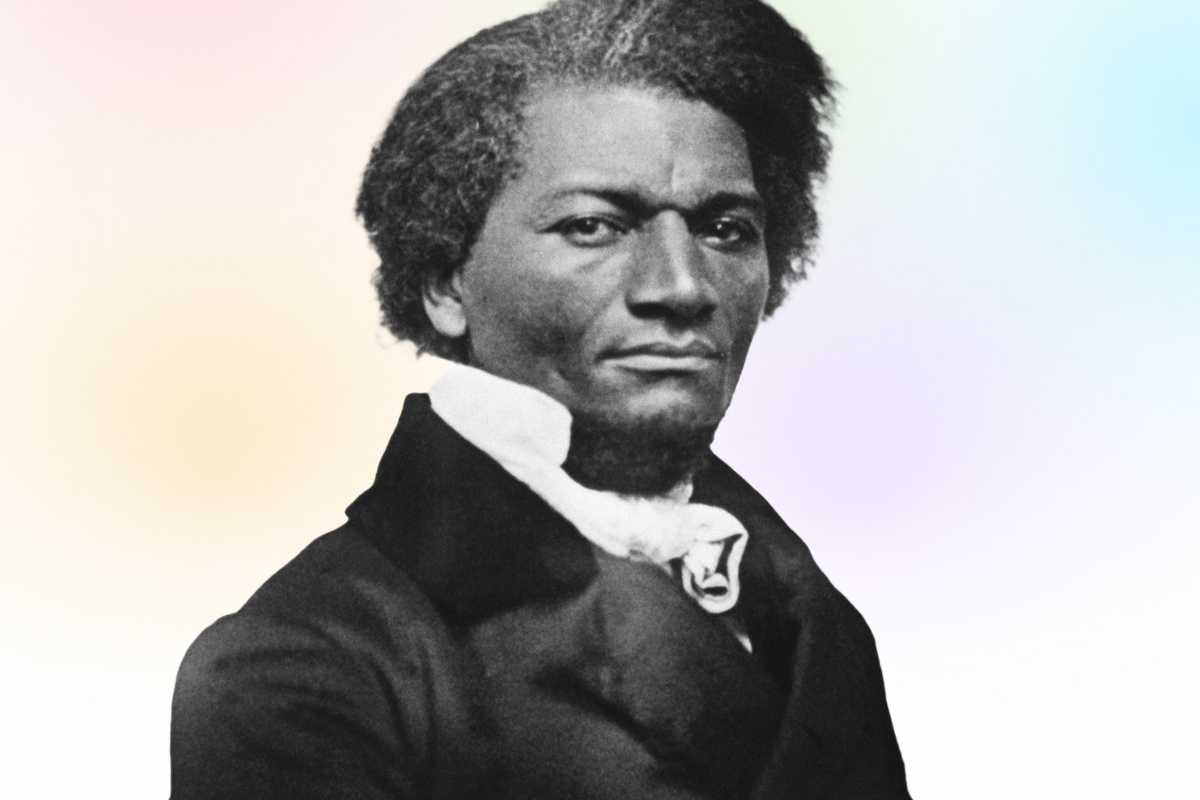
This line comes from abolitionist Frederick Douglass’ 1845 memoir “Narrative of the Life of Frederick Douglass, an American Slave,” where he expands on the idea by saying he would rather face ridicule than be “false” and suffer his own self-disgust. His words encourage us to choose honesty even when it’s uncomfortable — to speak up, stand firm in our values, and resist the temptation to blend in just to keep the peace. Douglass reminds us that staying true to ourselves is not only the braver choice, but it’s also far kinder to the person we have to live with every day: ourselves.

Frederick Douglass
Frederick Douglass
Abolitionist and orator (1818-1895)
See All Quotes
Advertisement
Advertisement

English writer, actress, and screenwriter Phoebe Waller-Bridge credits her mother with giving her this advice — and it shows up everywhere in her work, from the rule-breaking humor of her TV series “Fleabag” to the sharp, fearless characters she invents. In this context, being “outrageous” means breaking out of the boxes people try to put us in and taking risks that might feel a little scary. In our daily lives, that may look like taking a creative risk, pursuing a dream others may not understand, or simply allowing ourselves to be fully seen. When we dare to be a little more outrageous, we open doors we didn’t realize were waiting for us and step into versions of ourselves we’ve been holding back.

Phoebe Waller-Bridge
English actress, writer, and producer (1985-present)
See All Quotes
Advertisement
Advertisement
Love

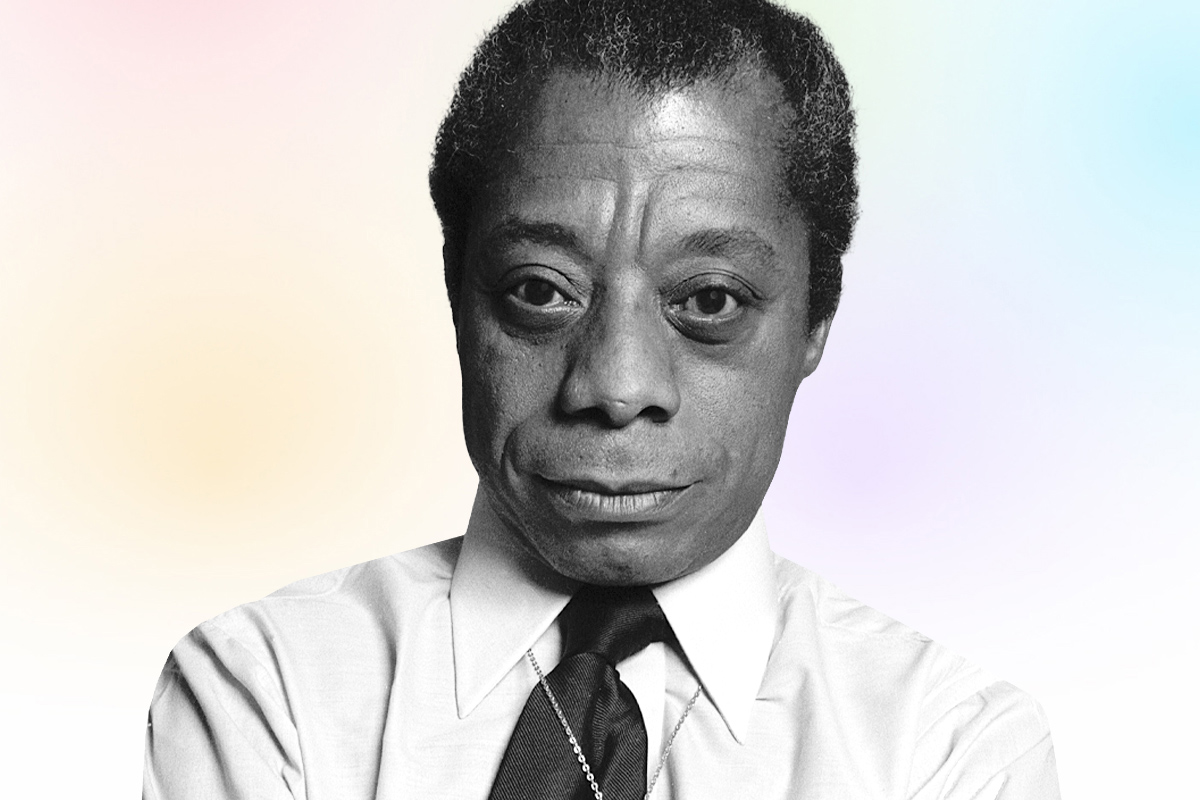
Love takes off the masks that we fear we cannot live without and know we cannot live within.

James Baldwin

James Baldwin’s landmark essay “Letter From a Region in My Mind” was published half a century ago, two years before the 1964 Civil Rights Act was signed into law, but the great writer’s formidable insights are as relevant today as they were then. A solution to racial inequality in the United States, Baldwin suggested, lay not just in ending segregation, but in “releasing” white Americans from their “unadmitted — and apparently… unspeakable — private fears and longings.” Love, for Baldwin, depends on letting go of fear: “I use the word ‘love’ here not merely in the personal sense but as a state of being, or a state of grace,” he said. “In the tough and universal sense of quest and daring and growth.”

James Baldwin
James Baldwin
Writer and civil rights activist (1924-1987)
See All Quotes
Advertisement
Advertisement

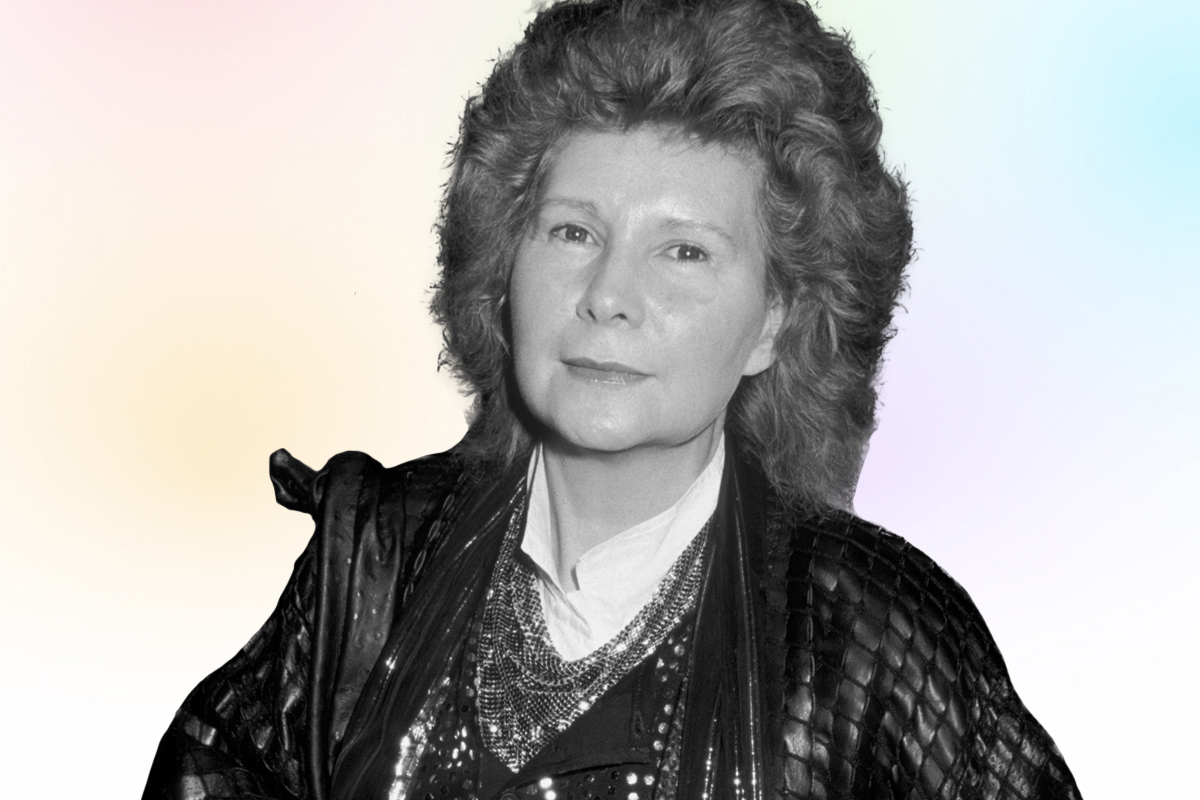
It’s all too easy to get swallowed up by the hustle and bustle of our daily responsibilities, whether it’s a hectic work week or a busy social schedule. But with these words, comedy writer Jane Wagner reminds us of the importance of taking a break and takin care of ourselves. Wagner, a veteran screenwriter who penned this line for her wife and longtime collaborator, comedian Lily Tomlin, points out an ironic truth: Often the quickest way to feel better is pausing to take a deep breath, and simply slowing down. 

Jane Wagner
Jane Wagner
Writer, director, and producer (1935-present)
See All Quotes
Advertisement
Advertisement

Known as the founder of modern nursing, Florence Nightingale made her mark during the Crimean War. She organized care for wounded soldiers and checked on them during the night — a practice that led to her nickname, “the Lady With the Lamp.” Nightingale became an icon of Victorian culture, and at the same time raised the reputation of nursing, previously regarded as a menial profession. But she was more than a pioneering nurse; she was also a social reformer who helped improve health care throughout British society, while at the same time expanding the “acceptable” roles of women in the workplace. Nightingale’s name is now synonymous with care and kindness — and also courage. She dedicated herself to helping others and, in doing so, forever changed the way medicine is practiced. 
Florence Nightingale
Founder of modern nursing (1820-1910)
See All Quotes
Advertisement
Advertisement
Happiness

Aging is an extraordinary process whereby you become the person that you always should have been.

David Bowie

To be known as the greatest chameleon in music is quite a feat, but it’s a fitting title for David Bowie. His vision led him through pop, rock, electronic, and industrial music, and expanded his creative scope into film, fashion, and beyond. Given that he was an artist known for constantly evolving his sound and look, it’s no surprise that Bowie was not a huge fan of nostalgia. In a conversation with “Gear” magazine in his early 50s, he eschewed the idea of “pining for youth.” He chose instead to live in the present, believing that with age comes authenticity, and a chance to be your true self. 

David Bowie
David Bowie
Singer, songwriter, and actor (1947-2016)
See All Quotes
Advertisement
Advertisement
Motivation

Restlessness is discontent — and discontent is the first necessity of progress.

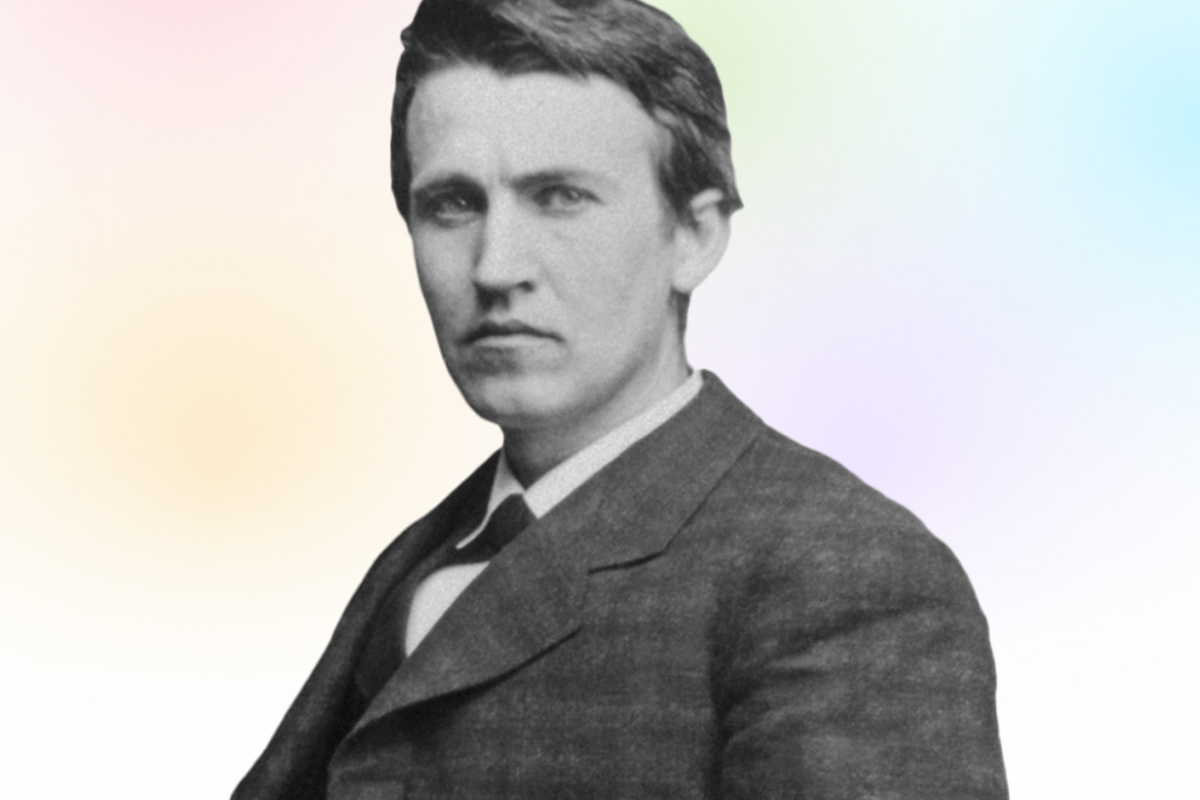
Thomas Edison

Thomas Edison, the inventor behind the light bulb, phonograph, and more than a thousand other patents, understood something profound about human nature: Comfort can breed stagnation. In his diary, he mused on the nature of restless discontent, and how rather than being inherently negative, it can be a necessary state that makes us question the status quo, seek to improve upon what we have, and perhaps invent something entirely new. While this nagging sensation may be uncomfortable, Edison realized it’s crucial for pushing boundaries and solving problems. “Show me a thoroughly satisfied man,” Edison continued, “and I will show you a failure.” That may sound harsh, but it’s a healthy reminder that a degree of dissatisfaction is often exactly what we need to keep us driving forward.

Thomas Edison
Thomas Edison
Inventor (1847-1931)
See All Quotes
Advertisement
Advertisement
Love

There is love enough in this world for everybody, if people will just look.

Kurt Vonnegut

This quote comes from Kurt Vonnegut’s fourth novel, “Cat’s Cradle,” a work of satirical science fiction that takes aim at everything from science and technology to morality, the purpose of religion, and the global arms race. In his fictional works and his frequently amusing talks and lectures, Vonnegut often raised the subject of human relationships and love — albeit infused with his characteristic blend of romanticism, skepticism, and dark humor. For Vonnegut, love was something fundamental — something that gives life meaning. As the character Malachi Constant says in “The Sirens of Titan,” Vonnegut’s second novel, “A purpose of human life, no matter who is controlling it, is to love whoever is around to be loved.”

Kurt Vonnegut
Kurt Vonnegut
Author (1922-2007)
See All Quotes
Advertisement
Advertisement