Happiness

That it will never come again is what makes life so sweet.

Emily Dickinson

Emily Dickinson frequently explored themes of mortality, love, and the fleeting tenderness of life in her poetry. In this line from her short poem “That it will never come again,” she points out the beauty of impermanence: Life feels precious because it doesn’t last. That idea encourages us to better appreciate the small, seemingly ordinary details of daily life. 

By acknowledging that time slips away no matter what we do, Dickinson gently pushes us toward mindfulness and gratitude, urging us to live on purpose and soak in the present moment. Her insight reminds us life’s sweetness is inextricably tied to its temporary nature — and that simply noticing what’s in front of us can make the ordinary feel meaningful.

Emily Dickinson
Emily Dickinson
Poet (1830-1886)
See All Quotes
Advertisement
Advertisement

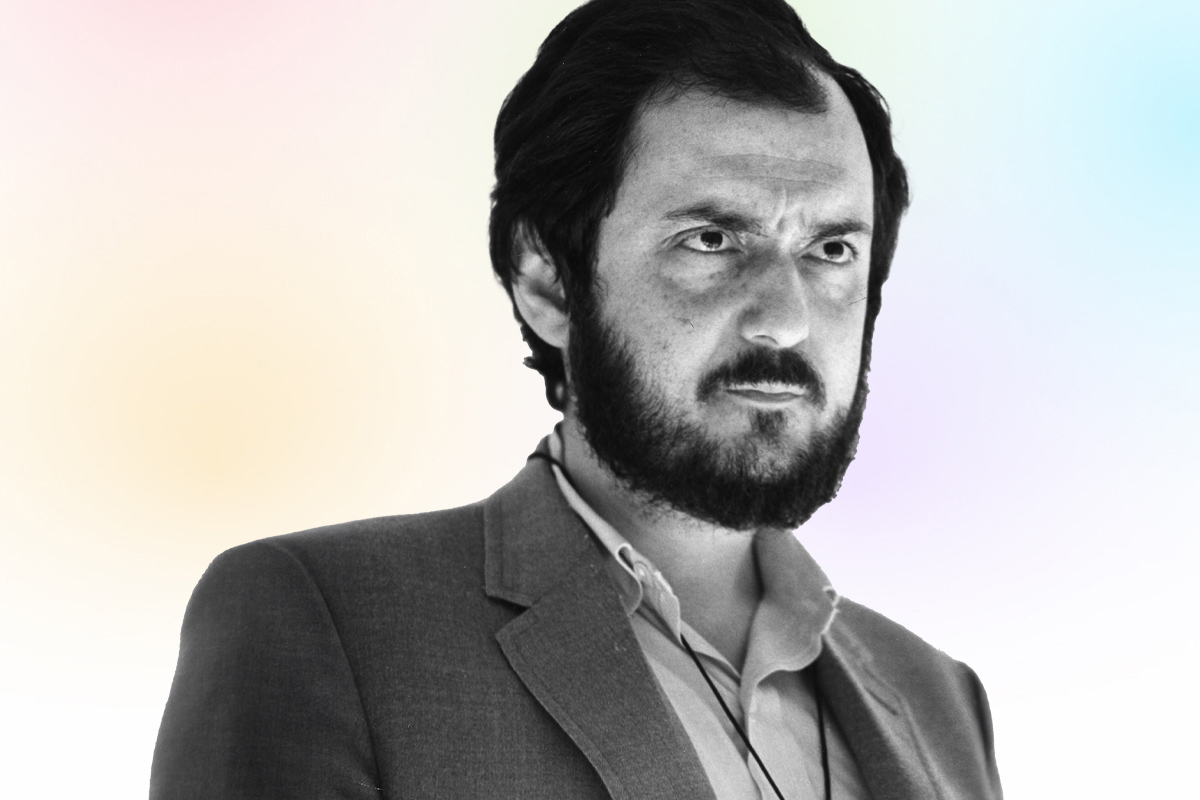
The power of the human will is an incredible force, and even in the most daunting times, we are capable of making a positive difference. Legendary filmmaker Stanley Kubrick certainly believed this, as evidenced by this quote from a 1968 interview he gave in “Playboy” magazine. Kubrick (who made “2001,” “The Shining,” and other classics) argued that any meaning in life must be created by ourselves, and once we accept this responsibility, we can “forge a fresh sense of purpose and affirmation.” When we accept the challenges and limitations of life, he said, “our existence as a species can have genuine meaning and fulfillment.”

Stanley Kubrick
Stanley Kubrick
Filmmaker, producer, and screenwriter (1928-1999)
See All Quotes
Advertisement
Advertisement
Wisdom

Real generosity toward the future lies in giving all to the present.

Albert Camus

In 1951, Albert Camus published his book-length essay “The Rebel,” which helped establish two of his key philosophical ideas: the concept of the absurd and the notion of revolt. For Camus, revolt, or revolution, was fundamentally a heroic act of defiance or resistance against anything that sought to oppress human beings. A rebel, by their very nature, was someone fighting in the moment for a better future. Camus considered this a truly noble act. “He who dedicates himself… to the dignity of mankind,” he wrote, “dedicates himself to the earth and reaps from it the harvest that sows its seed and sustains the world again and again.” 

Albert Camus
Albert Camus
French philosopher and author (1913-1960)
See All Quotes
Advertisement
Advertisement
Motivation

Every person you meet knows an amazing lot about something you know virtually nothing about.

Kevin Kelly

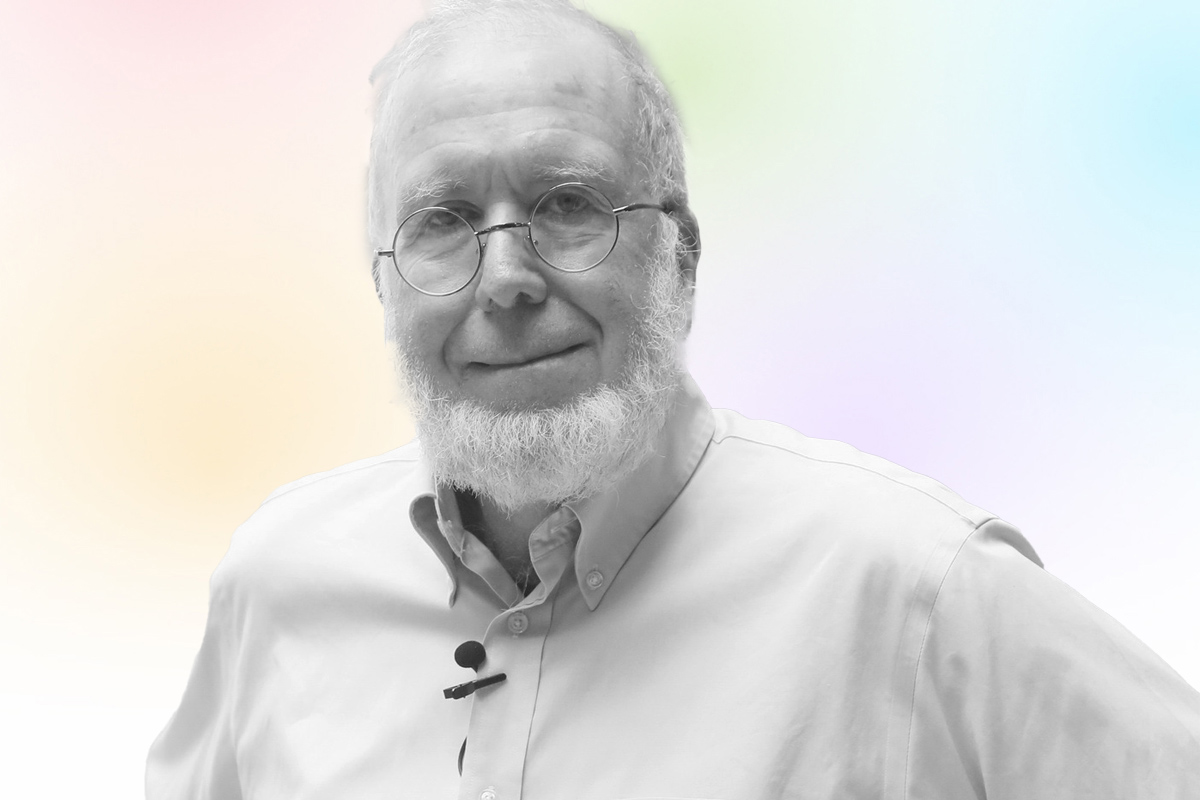
This quote from “Wired” magazine co-founder Kevin Kelly encourages us to view others with curiosity and humility. A self-described “radical optimist” who writes about society, technology, and the future, Kelly reminds us that everyone carries skills and insights that may not be immediately visible. As he goes on to say, “It won’t be obvious, and your job is to discover what it is,” inviting us to look beneath the surface of every interaction. This mindset can turn ordinary conversations into opportunities for learning and meaningful connection, fostering understanding and empathy while also strengthening our capacity for personal growth.

Kevin Kelly
Kevin Kelly
Editor and publisher (1952-present)
See All Quotes
Advertisement
Advertisement

While not a household name today, Hamilton Wright Mabie was well known in his lifetime as an influential essayist and editor. His prolific works included a regular column in “Ladies’ Home Journal.” He was also a popular speaker, celebrated by Mark Twain and eulogized by President Teddy Roosevelt. Here he offers a jubilant, timeless take on the holiday season, reflecting on the collective energy so many of us feel as the festivities approach. Through the gatherings of friends and family, familiar carols on the radio, holiday festivals, and beloved traditions, here’s hoping we all find ourselves a little more likely to show love, practice generosity, and make room for joy in the coming months. 

Hamilton Wright Mabie
Essayist, editor, critic, and lecturer (1846-1916)
See All Quotes
Advertisement
Advertisement
Happiness

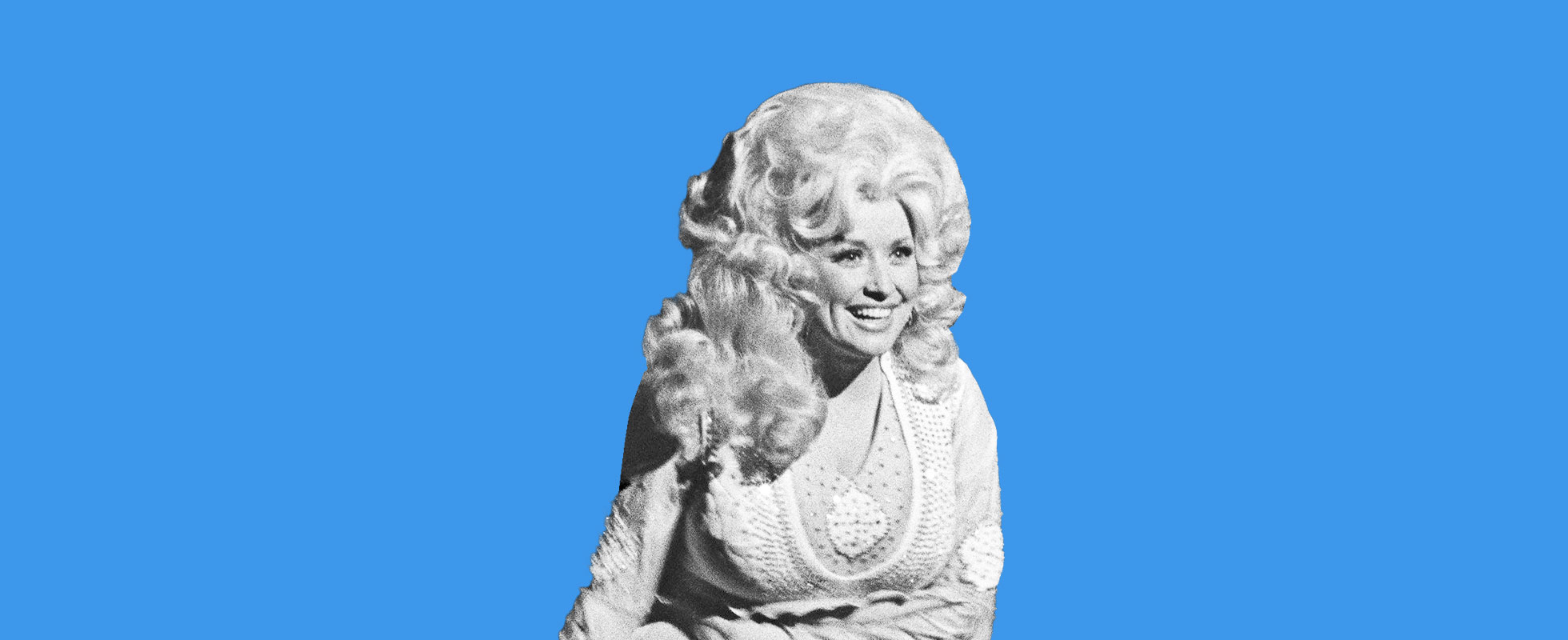
Life goes by fast. Enjoy it. Calm down. It's all funny.

Joan Rivers

Joan Rivers was the definition of multitalented. A comedian, Emmy winner, Grammy winner, Tony nominee, and television trailblazer, she became the first woman to host a late-night network talk show with 1986’s “The Late Show Starring Joan Rivers.” This quote isn’t just a mantra that Rivers preached but one she lived by. Her wit shined brightest while interviewing celebrities on the red carpet – even the biggest A-listers found themselves the subject of her biting humor, as she consistently prioritized being funny over being reverent. Rivers herself was the target of many quips, but rather than let it get her down, she once again embraced humor, with self-deprecating comments such as, “I’ve had so much plastic surgery, when I die they will donate my body to Tupperware.” Rivers was an inspiration not only for comedians, but for all of us — a reminder to maintain a lighthearted attitude in our lives so long as we’re lucky to be here.

Joan Rivers
Joan Rivers
Actress, comedian, and writer (1933-2014)
See All Quotes
Advertisement
Advertisement

So said Justice Ruth Bader Ginsburg during her Supreme Court nomination hearing in 1994, having already fought decades of gender discrimination in her education and career. The handful of cases she argued for the American Civil Liberties Union are now landmarks for gender equality, and Ginsburg herself made history as the second-ever woman to sit on the U.S. Supreme Court. In her more than 25 years on the bench, she persistently advocated for women's rights in her now-famous dissents. Ginsburg’s life is a testament to the tenacity, patience, and long-term commitment required to be a change-maker. As she said in 2001: “You know that these important issues are not going to go away. But then you go on to the next challenge and you give it your all.”




Ruth Bader Ginsburg
Ruth Bader Ginsburg
Lawyer and former associate justice of the U.S. Supreme Court (1933-2020)
See All Quotes
Advertisement
Advertisement
Wisdom

If it is not right, do not do it: if it is not true, do not say it.

Marcus Aurelius

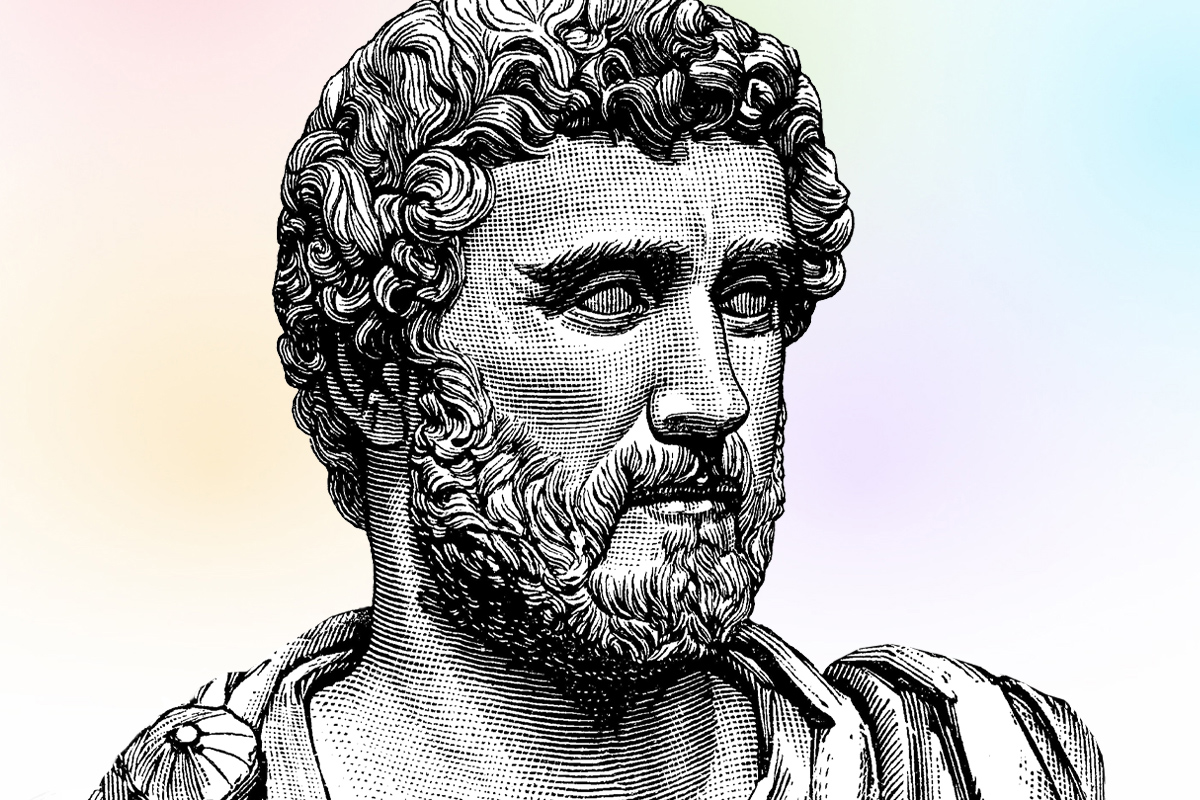
Roman emperor and philosopher Marcus Aurelius is known for his clear, steady approach to living with integrity — even amid the demands of ruling an empire. This quote embodies the core of his Stoic outlook, reminding us that what we do and what we say should align with what is just and true. It’s easy to be pulled off course in a world of competing pressures, but Aurelius emphasizes that staying grounded in our values is what forms the basis of a well-lived life. In practice, this means pausing before we act or speak to check whether we’re being honest and fair and letting that awareness guide us through difficult moments.

Marcus Aurelius
Marcus Aurelius
Roman emperor (121-180 CE)
See All Quotes
Advertisement
Advertisement
Motivation

If you live according to nature you will never be poor; if you live according to opinions, you will never be rich.

Seneca

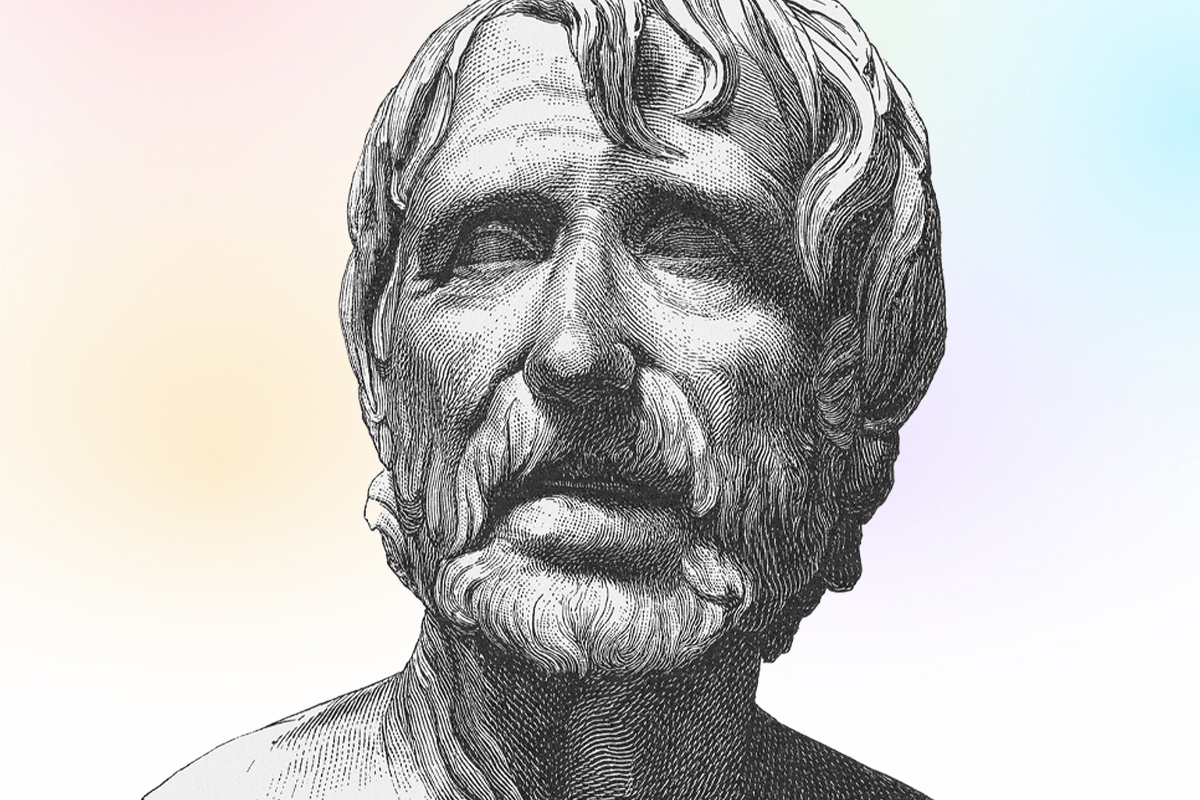
Roman Stoic philosopher and statesman Seneca wrote extensively on ethics, the nature of happiness, and the pursuit of virtue in the face of life’s challenges. This quote, taken from his “Moral Letters to Lucilius,” reflects one of his primary concerns: the tension between inner peace and outward acceptance. Seneca uses this insight to nudge us toward a life guided by reason, simplicity, and our own values, rather than the ever-shifting opinions of others. It encourages us to pause and ponder whether our choices are truly ours or borrowed from social expectations — and it reminds us that lasting contentment grows out of living honestly and simply, not from chasing validation.

Seneca
Seneca
Ancient Roman philosopher (c. 4 BCE-65 CE)
See All Quotes
Advertisement
Advertisement
Love

To give us back to ourselves — there lies the great, the singular power of self-respect.

Joan Didion

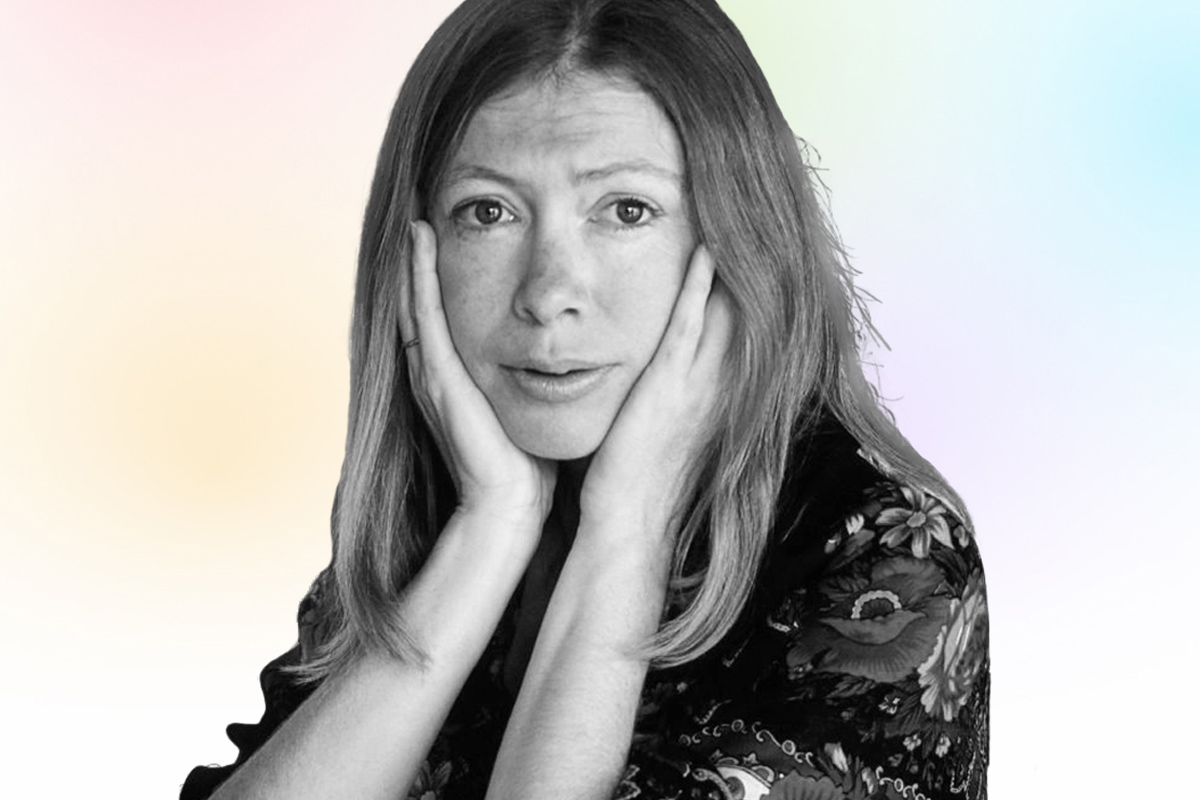
Joan Didion had a talent for illuminating the internal moments that shape a person’s life. In a 1961 essay published in “Vogue” and later reprinted as “On Self-Respect” in Didion’s book “Slouching Towards Bethlehem,” Didion argues that self-respect isn’t about meeting others’ expectations but rather reclaiming a sense of our own desires and direction. 

Without this grounding, we might look for identity in all the wrong places, only to discover there’s “no one at home,” as Didion put it. In modern parlance, we may call this idea “setting boundaries” — learning what to tolerate, and what we cannot compromise.

Joan Didion
Joan Didion
Writer and journalist (1934-2021)
See All Quotes
Advertisement
Advertisement