Custom post type for quotes
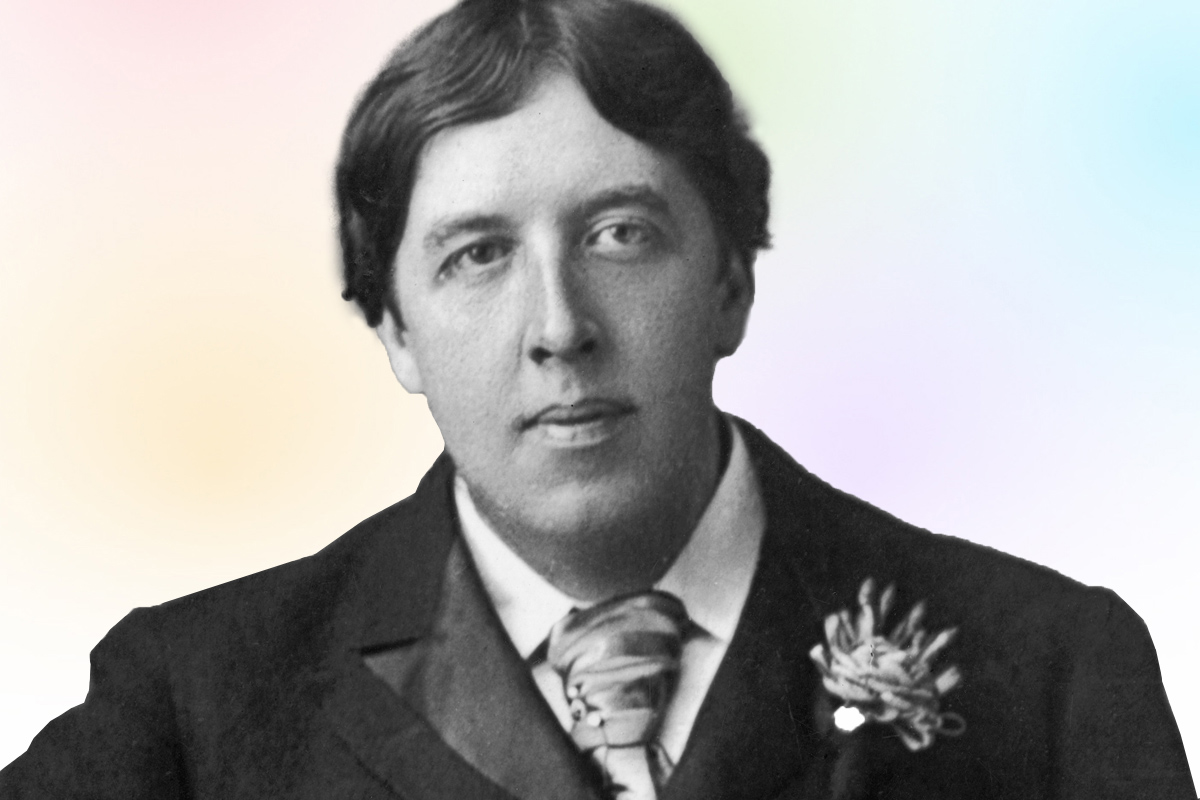
Droll yet poignant, this line uttered by Mr. Dumby, a character created by Oscar Wilde for his 1892 play “Lady Windermere’s Fan,” expresses the value of learning from our errors. Remembered for his witty epigraphs as much as his groundbreaking satirical works, Wilde wrote of the follies and foibles of the upper class in Victorian England, and often brought his characters redemption through a hard-earned lesson. The Irish playwright reminds us that we all mess up from time to time, but we can extract valuable wisdom from those mistakes.
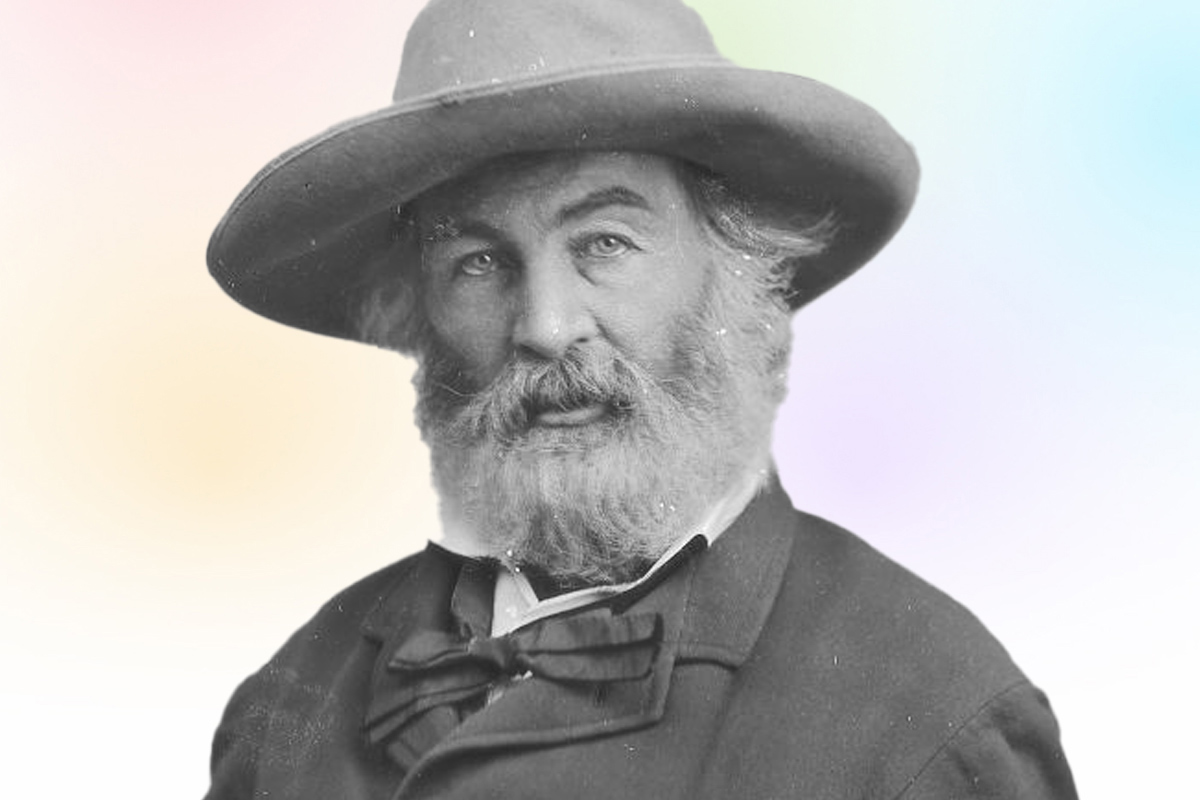
Hailed as the “father of free verse,” poet and essayist Walt Whitman bridged the gap between the transcendentalist and realist movements to become one of the most innovative and influential voices of 19th-century American literature. In his writing, Whitman explores the relationship between the physical and spiritual worlds, examines the symbiotic kinship of nature and humankind, and boldly celebrates the body and soul in sensual, often controversial language. In the preface to his seminal work “Leaves of Grass,” Whitman calls on readers to “re-examine all you have been told at school or church or in any book, dismiss whatever insults your own soul; and your very flesh shall be a great poem…” With this quote, Whitman reminds us to analyze everything we’ve been taught through a critical lens and to cast off anything that doesn’t feel authentic and honorable to our existence.
Celebrated dancer and choreographer Twyla Tharp has choreographed more than 160 dances, films, and other works. She has won a Tony Award and two Emmys, as well as dozens of other awards and accolades. Known for her outside-the-box creativity and technical precision, Tharp combines different forms of movement to create her own unique style. In her 2003 book “The Creative Habit,” she suggested that there is no secret to creative success or there are no “natural” geniuses. Rather, success is a matter of hard work and discipline. “The best creativity is a result of good work habits,” she said. “That’s it in a nutshell.”
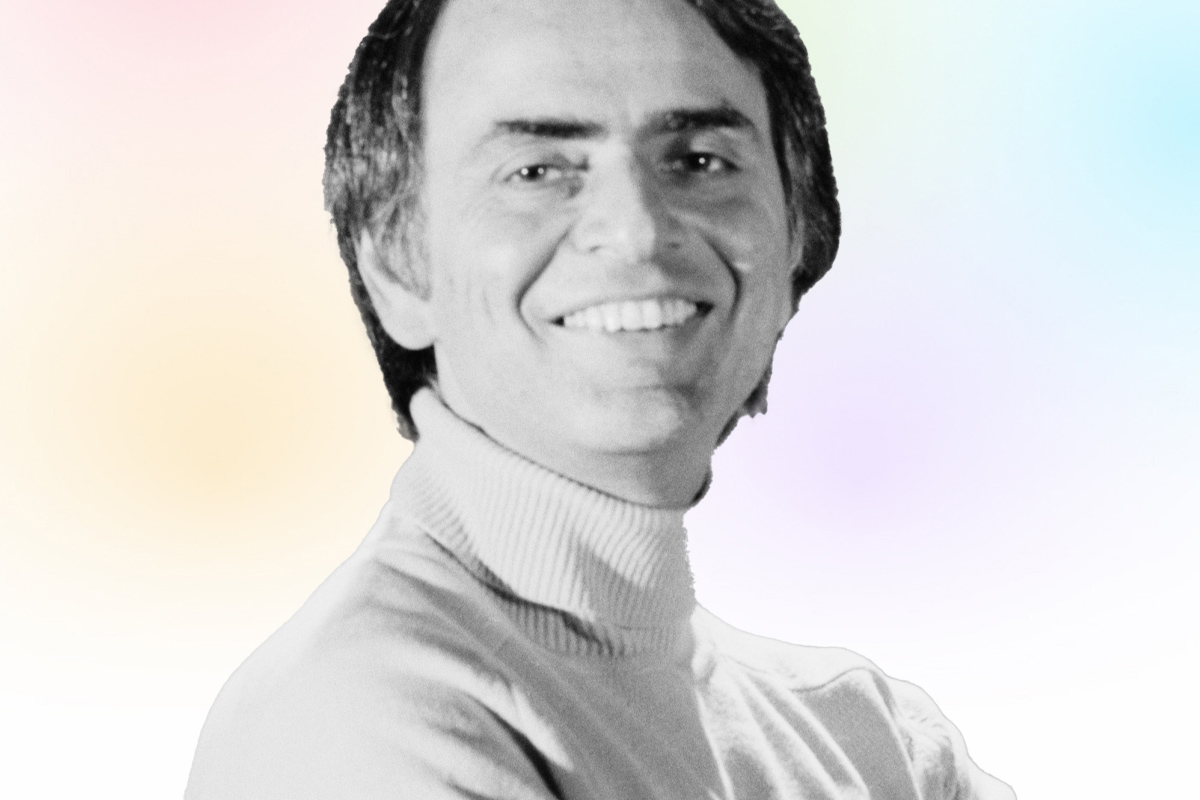
As a scientist, Carl Sagan conducted important research in areas such as planetary atmospheres, astrobiology, and the origin of life on Earth. But he was primarily known as a spokesperson for science, with few others having done more to promote and popularize astronomy in the past 100 years. Sagan had a way of instilling curiosity and wonder in even the least scientifically minded listener. And when it came to humankind, he was ever the optimist. He recognized how unique and precious each person is, even on the unimaginably vast cosmic scale. “If a human disagrees with you,” he said, “let him live. In a hundred billion galaxies, you will not find another.”

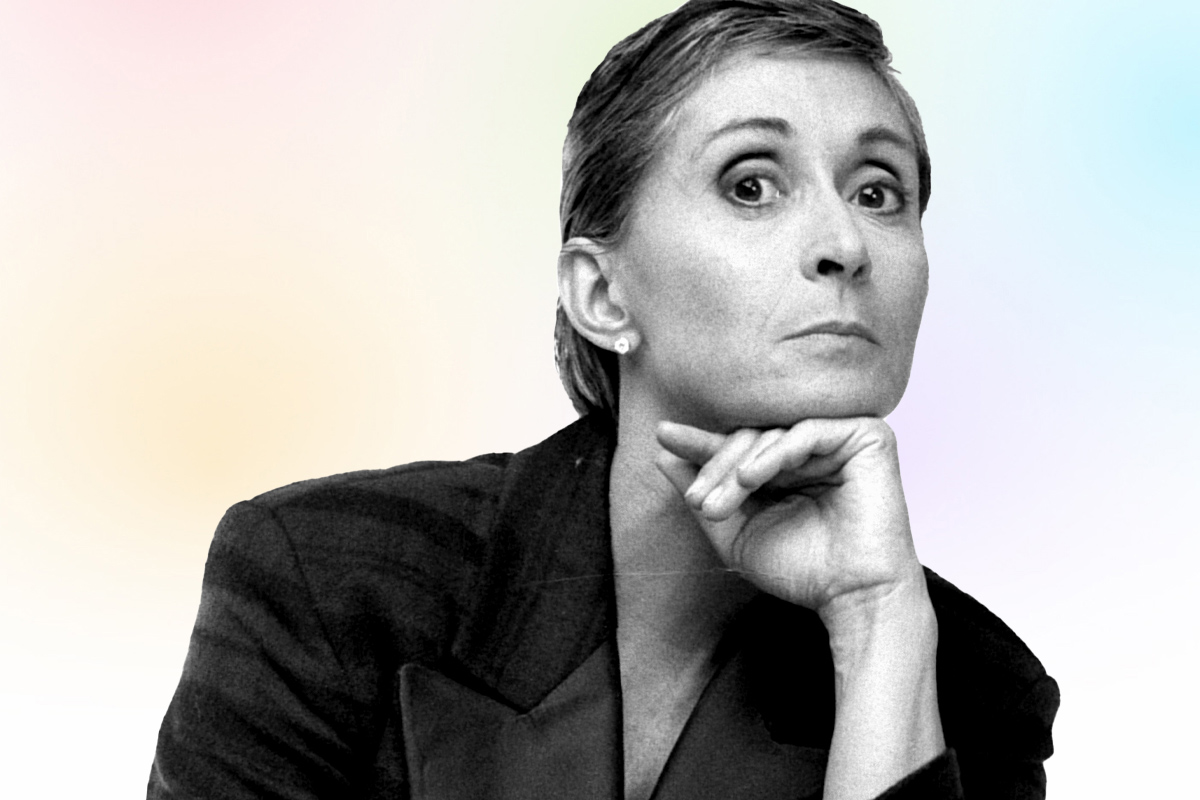
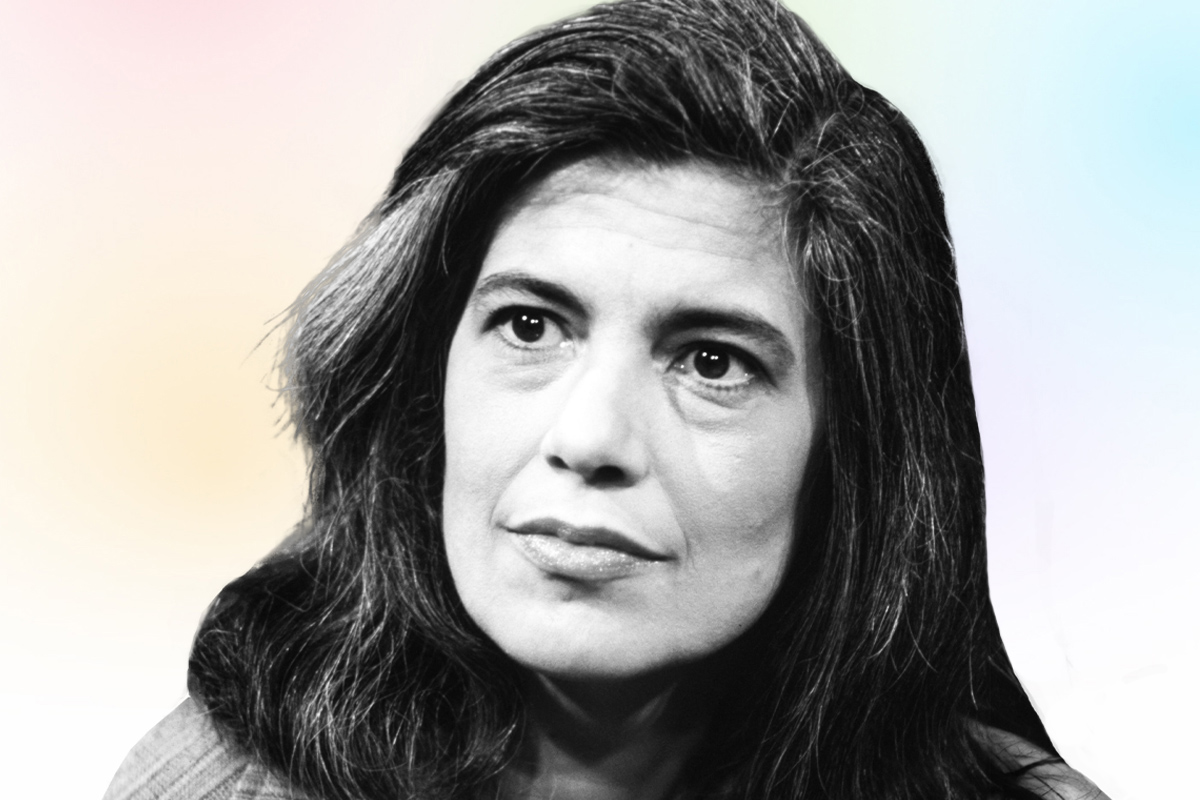
For many people, New Year's Day is a time to set a goal or resolution for the coming year. But for writer, filmmaker, and activist Susan Sontag, a prayer was a more fitting mantra for January 1. This poignant quote, published in “As Consciousness Is Harnessed to Flesh,” a collection of Sontag’s journals and diaries written between 1964 and 1980, captures a sense of yearning for courage to face the unknown. It’s an honest and vulnerable feeling that anyone can relate to: seeking the bravery and strength to press on.


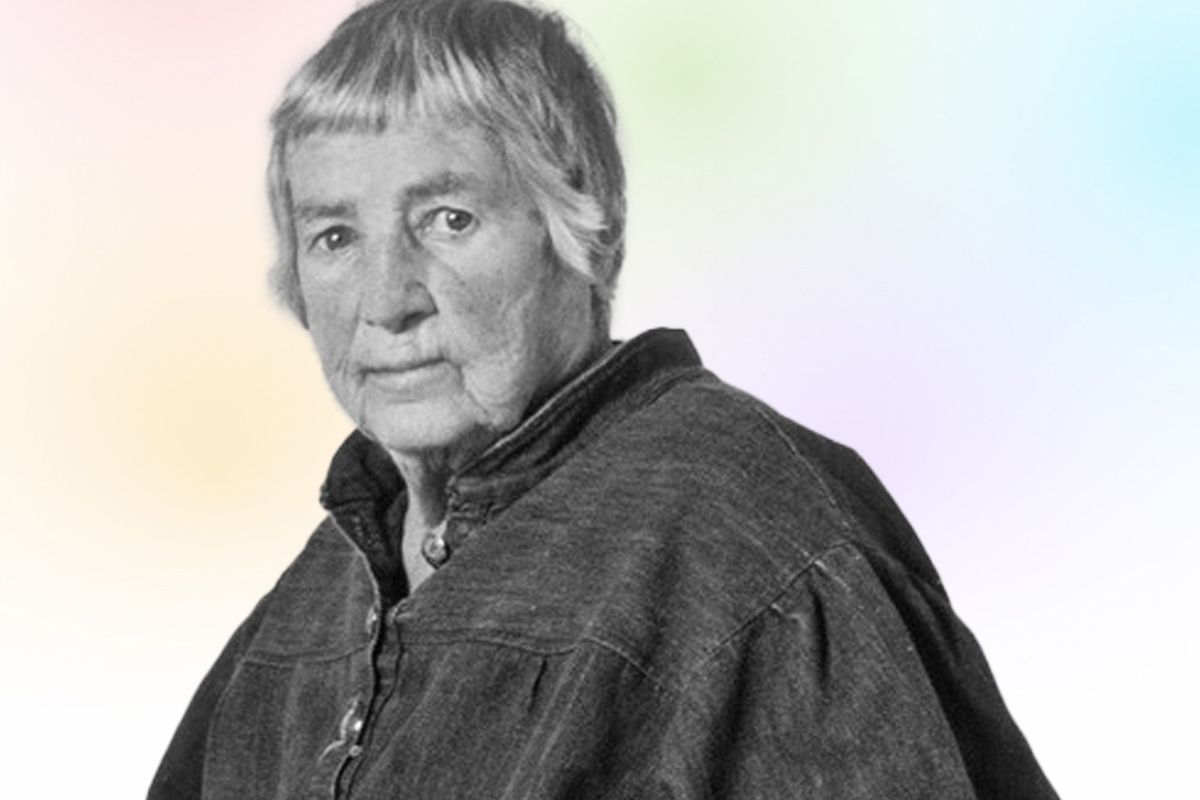
Painter Agnes Martin’s path zigzagged between the three places that most inspired her work: her native Saskatchewan, the New Mexico desert, and New York City. She made her first pieces near Taos, inspired both by the desert and the Canadian prairies of her home. It wasn’t until she moved to New York in the late 1950s that she developed her signature abstract style. When Martin left the city after a decade, she returned to New Mexico, and her work from the 1970s onward reflected the landscape she clearly loved so much. Martin’s journey encourages us to trust our intuition as we make decisions — that inner compass is often our best guide for moving forward.
Buddy Wakefield is an American spoken-word artist and poet who’s been featured by NPR and the BBC for his talents. In 2001, he left his job as an executive assistant to perform in poetry venues throughout the United States for two years while mostly living out of his car. In addition to being a three-time winner of the Individual World Poetry Slam Finals, Wakefield has also dabbled in acting. His poetry often draws on moments shared with the people around him, from dysfunctional families to a roadside diner waitress. These words from his poem “Pretend” remind us to focus on being present as much as possible. After all, we never know what wisdom or joy we may gain by paying attention.
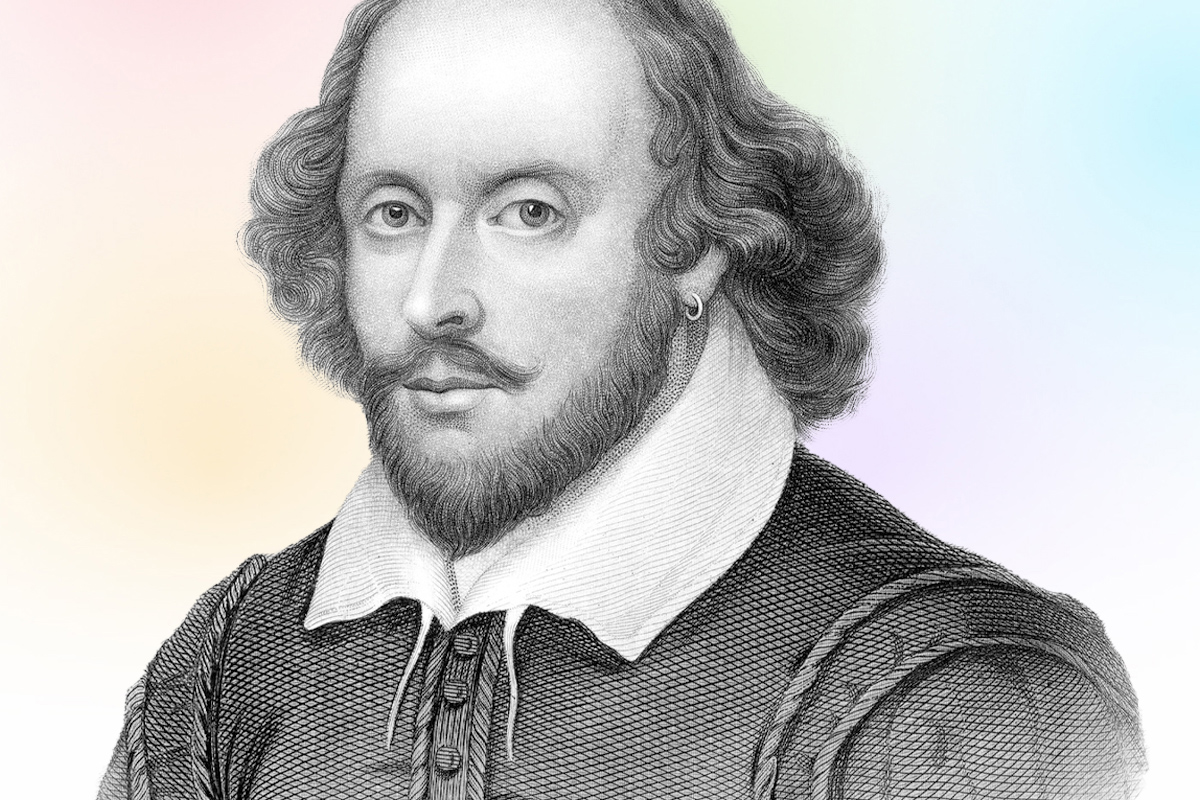
William Shakespeare’s “Twelfth Night” is a romantic comedy involving twins, shipwrecks, a love triangle, and so-called cross-dressing. Throughout, Shakespeare plays with traditional gender roles, while also experimenting with plays within the play — a kind of metatheatre. When Olivia tries to woo Cesario (who is in fact Viola in disguise), she states with this line that love is best when it comes freely and unsought, rather than being actively searched for. As with most romantic comedies, both old and new, everything works out in the end, with true identities revealed and marriages successfully proposed.