Happiness

Wealth consists not in having great possessions, but in having few wants.

Epictetus

The Greek Stoic philosopher Epictetus was born into slavery around 50 CE. He gained his freedom while still a young man, and began teaching in Rome, until the Roman emperor Domitian expelled all philosophers from the city. Undeterred, Epictetus founded a school of philosophy in Greece, where his teachings became widely admired. He lived a frugal life with very few belongings, and his primary concerns were integrity, self-management, and personal freedom. Epictetus believed external possessions — including glory and power — are beyond our control, and we only have power over those things within us, such as our opinions, impulses, and desires. As he said, “The good that ought to be the object of our earnest pursuit, is to be found only within ourselves.” 
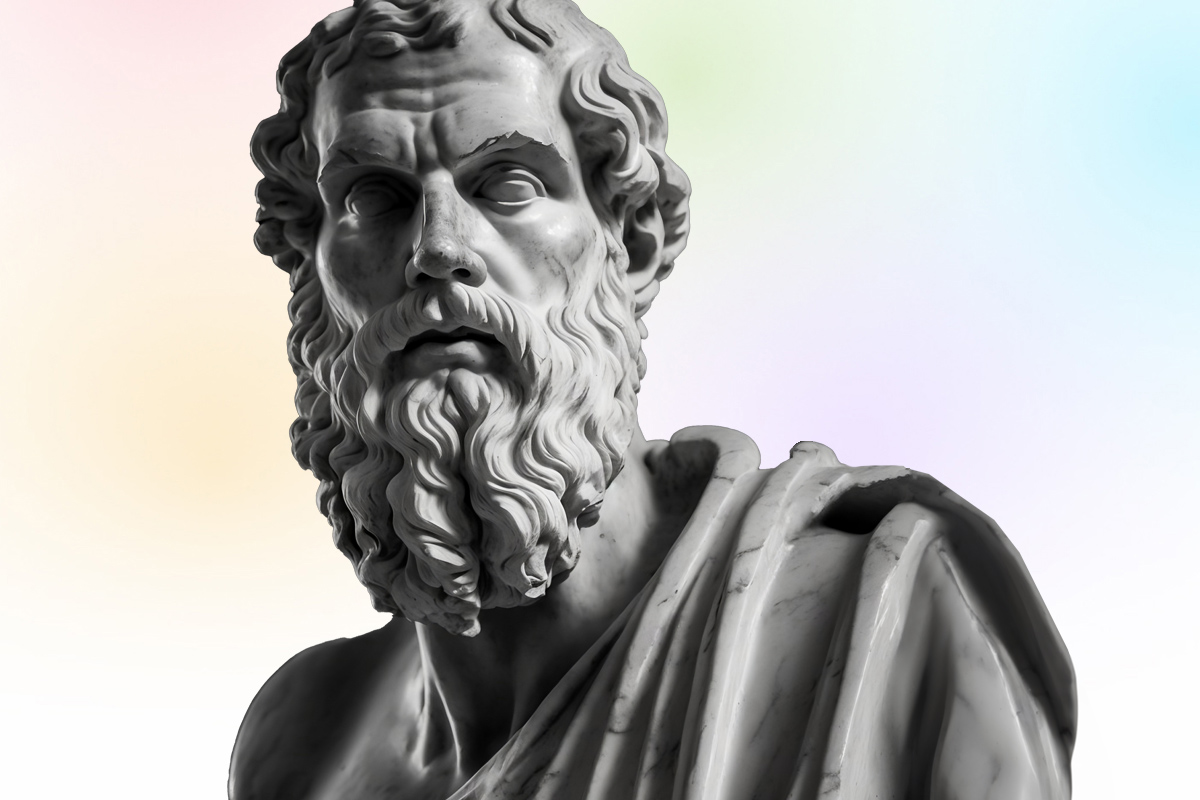
Epictetus
Epictetus
Greek Stoic philosopher (c. 50-135 CE)
See All Quotes
Advertisement
Advertisement
Hope

My life is full of mistakes. They’re like pebbles that make a good road.

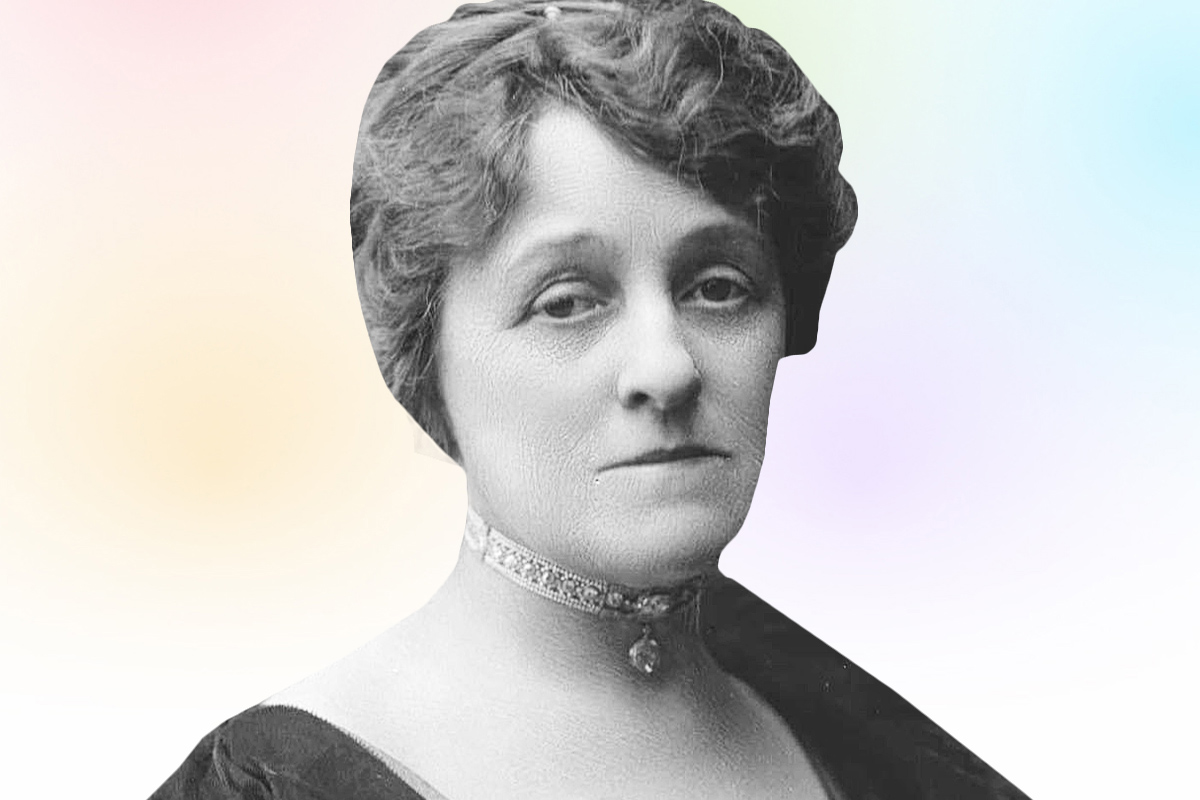
Beatrice Wood

Rising to fame as an influential voice of the Dadaist movement, ceramicist Beatrice Wood's avant-garde approach to crafting lustrous pottery pushed artistic boundaries. Throughout her 105-year-long life, Wood fought to bring the absurd and unfamiliar into the mainstream, though she was also well aware that straying from orthodoxy would come with challenges. With this quote, she expresses that mistakes are a part of life, and rather than getting discouraged by setbacks, we should anticipate them. We can shift our perspective to see “mistakes” as learning experiences that teach us, shape our path, and ultimately mold us into who we are. 

Beatrice Wood
Beatrice Wood
Dada artist and studio potter (1893-1998)
See All Quotes
Advertisement
Advertisement
Wisdom

It is not a daily increase, but a daily decrease. Hack away at the inessentials.

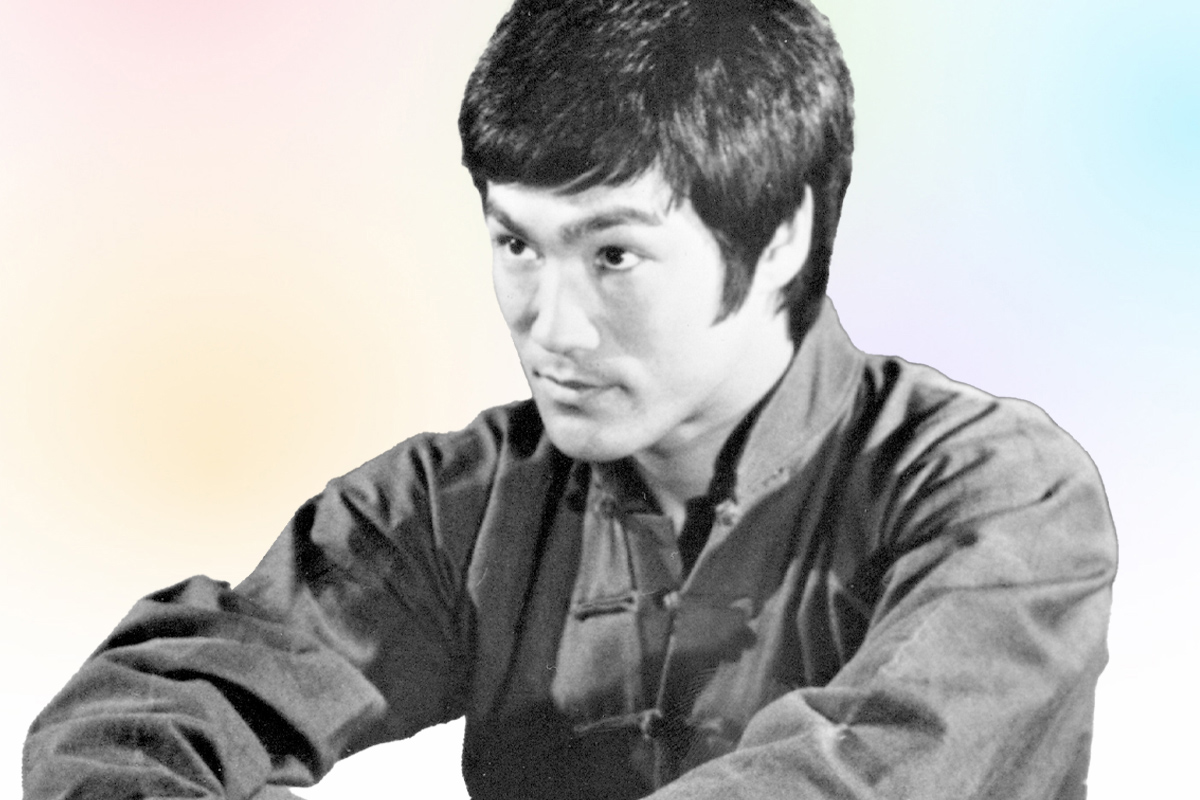
Bruce Lee

The message of modern culture often centers around doing more: getting more likes, buying more things, consuming more content, making more money. But for Bruce Lee, less was more. In his book “Tao of Jeet Kune Do” which outlines his philosophy on martial arts (published posthumously in 1975), the actor and martial artist recommended simplifying our daily lives. By stripping away unnecessary distractions, we make room for the objects, experiences, and people that are essential to our happiness and peace.
Bruce Lee
Bruce Lee
Martial artist and film actor (1940-1973)
See All Quotes
Advertisement
Advertisement

Ai Weiwei is an artist of undoubted renown, but he’s arguably just as well known as a cultural and social activist — someone who takes action through art. His work, which is often provocative and subversive, reflects his staunch political views — something that hasn’t exactly endeared him to the authorities of his homeland, China. But Ai is nothing if not a person of principle. As he told “The Guardian” in 2020, “An artist must also be an activist — aesthetically, morally, or philosophically … Without that kind of consciousness — to be blind to human struggle — one cannot even be called an artist.”

Ai Weiwei
Ai Weiwei
Chinese artist and activist (1957-present)
See All Quotes
Advertisement
Advertisement
Love

The opposite of love is fear, not hate.

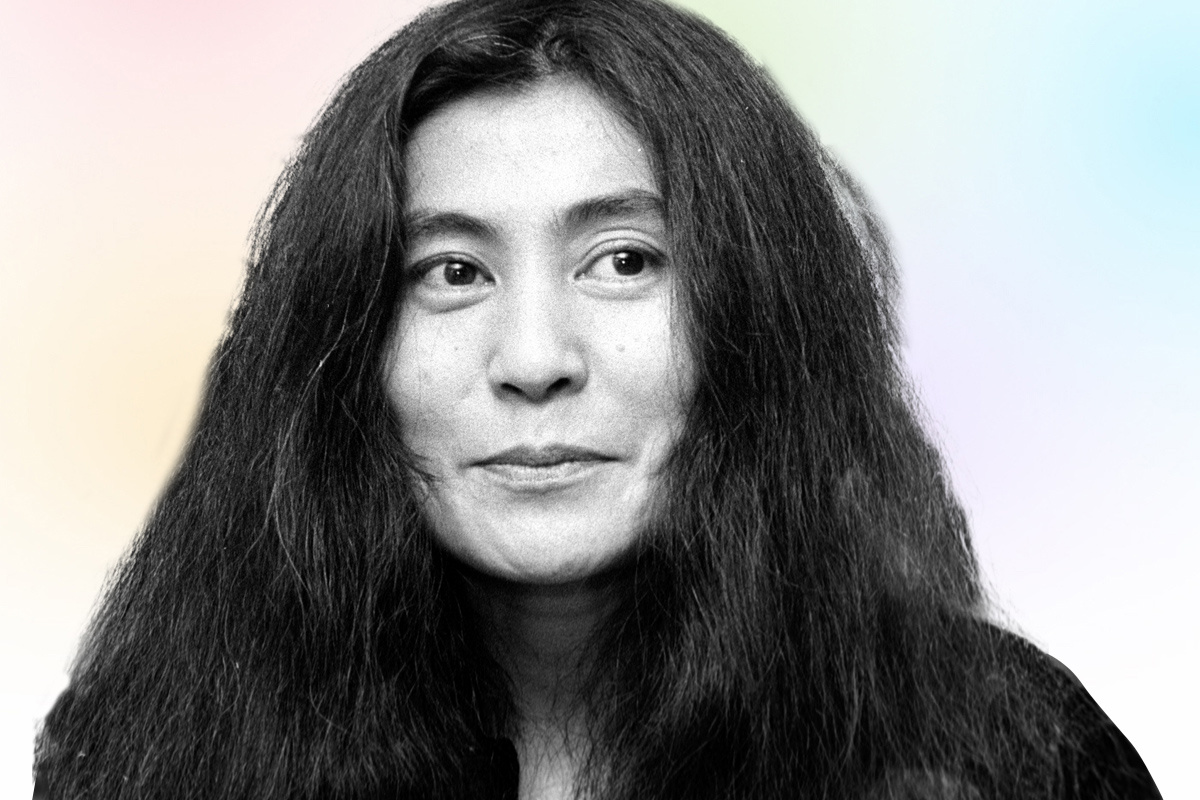
Yoko Ono

In 2010, Yoko Ono posted this short message on social media, offering an interesting shift in perspective. Ono, an avant-garde artist, musician, and activist, is known for challenging traditional norms and widely held beliefs. We typically consider hate to be the opposite of love, but from Ono’s point of view, fear is the truer opposite because it’s the emotion that can prevent us from loving. This dichotomy between love and fear is something Ono has previously mentioned as existing in her own life. She wrote on her website, “In a day, sometimes I feel so much love for the world, I think my heart is bursting. Sometimes, I feel so scared, I want to shrink myself even further.”

Yoko Ono
Yoko Ono
Artist and peace activist (1933-present)
See All Quotes
Advertisement
Advertisement
Happiness

I'm afraid I'm an incorrigible life-lover, life-wonderer, and adventurer.

Edith Wharton

Most people recognize Edith Wharton’s name from her enduring works of fiction, including her novels “The Age of Innocence” (1920) and “Ethan Frome” (1911). But many would be surprised to learn that the accomplished author was also a veritable Renaissance woman with myriad passions and talents. Throughout her life, and despite the restrictions imposed on women at that time, she made a name for herself as an interior decorator, garden designer, travel writer, war journalist, and the first woman to win a Pulitzer Prize. In a letter to a friend just before her death in 1937, Wharton wrote, “I wish I knew what people meant when they say they find ‘emptiness’ in this wonderful adventure of living.”
Edith Wharton
Edith Wharton
Pulitzer Prize-winning author (1862-1937)
See All Quotes
Advertisement
Advertisement

Celebrated writer Ursula K. Le Guin was best known for her science fiction novels, such as the widely acclaimed “Earthsea” series in which this quote appears. Le Guin believed that the imagination was an excellent place to explore morality and contemplate the consequences of potential actions, and she used science fiction and fantasy to inspire reflection and comment on the world at large. In doing so, Le Guin distinguished herself as one of the few science fiction authors ever to be nominated for a Pulitzer Prize. 

Ursula K. Le Guin
Ursula K. Le Guin
Science fiction author (1929-2018)
See All Quotes
Advertisement
Advertisement
Wisdom

Success is like failure ... It's what you do with it, not how you achieve it.

Stephen Sondheim

Stephen Sondheim was an award-winning composer and lyricist known for his contributions to some of the greatest works in the American musical theater canon, including “West Side Story” and “Into the Woods.” Alongside librettist George Furth, Sondheim wrote the music and lyrics for the 1981 musical “Merrily We Roll Along,” which features this line from the ensemble number “It’s a Hit.” The show follows the lives of three friends — a composer, a lyricist, and a journalist — in reverse chronological order from their weary middle-aged selves to the most promising days of their youth. While “It’s a Hit” takes place after the characters have found theatrical success, in reality, “Merrily” was considered a critical failure compared to Sondheim’s more significant works. But as this lyric suggests, success and failure are two sides of the same coin; it’s the action you take afterward that truly counts. 


Stephen Sondheim
Stephen Sondheim
Pulitzer Prize-winning composer and lyricist (1930-2021)
See All Quotes
Advertisement
Advertisement
Motivation

We either make ourselves miserable, or we make ourselves strong. The amount of work is the same.

Carlos Castaneda

Considered a New Age icon, anthropologist Carlos Castaneda authored a series of books that explored the topics of introspection and transformation. Here, he suggests that resilience and victimhood both require effort — but only one leads to personal growth. Our mindset, Castaneda believed, is not a passive state of being; it’s an active choice we make every day. The same energy we spend on worrying or doubting ourselves can be redirected toward building up our self-love and inner strength. It’s not about how hard we work but where we focus those efforts.

Carlos Castaneda
Carlos Castaneda
Anthropologist and writer (1925-1998)
See All Quotes
Advertisement
Advertisement
Love

The most important thing in communication is hearing what isn't said.

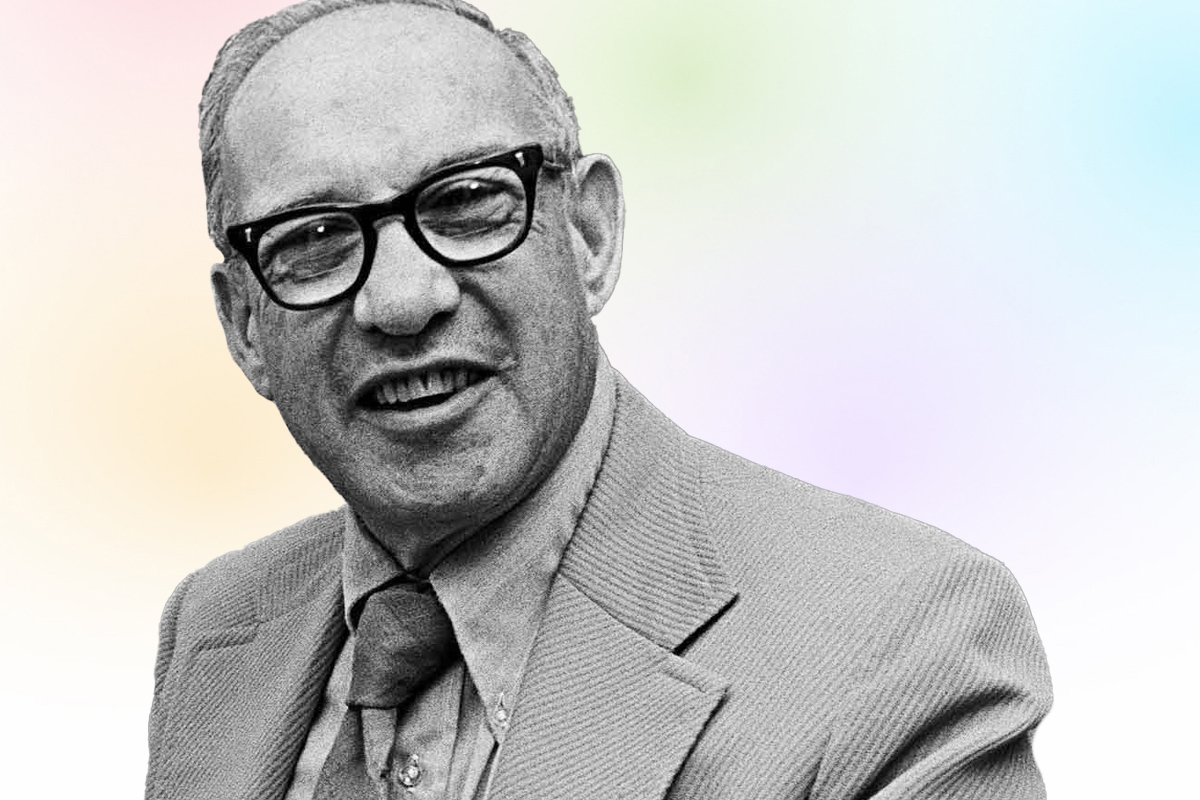
Peter Drucker

Sometimes called “the inventor of modern management,” prominent Austrian American business consultant Peter Drucker advised countless key figures of the American economy throughout the last half of the 20th century. His groundbreaking philosophy advanced the idea that business could be both profitable and socially responsible, and his teachings have helped revolutionize the landscape and practice of modern business management. At the forefront of Drucker’s principles was the understanding that the business world is driven by people — and that the key to success is understanding those people. In a 1989 interview with Bill Moyers, Drucker explained that communication is about more than just applying our own significance to someone else’s words; it’s about working to understand their unique perspective and priorities. Drucker’s belief is a reminder that the willingness to observe and appreciate our differences can go a long way toward fostering mutual understanding and support.
Peter Drucker
Peter Drucker
Austrian American consultant, educator, and author (1909-2005)
See All Quotes
Advertisement
Advertisement