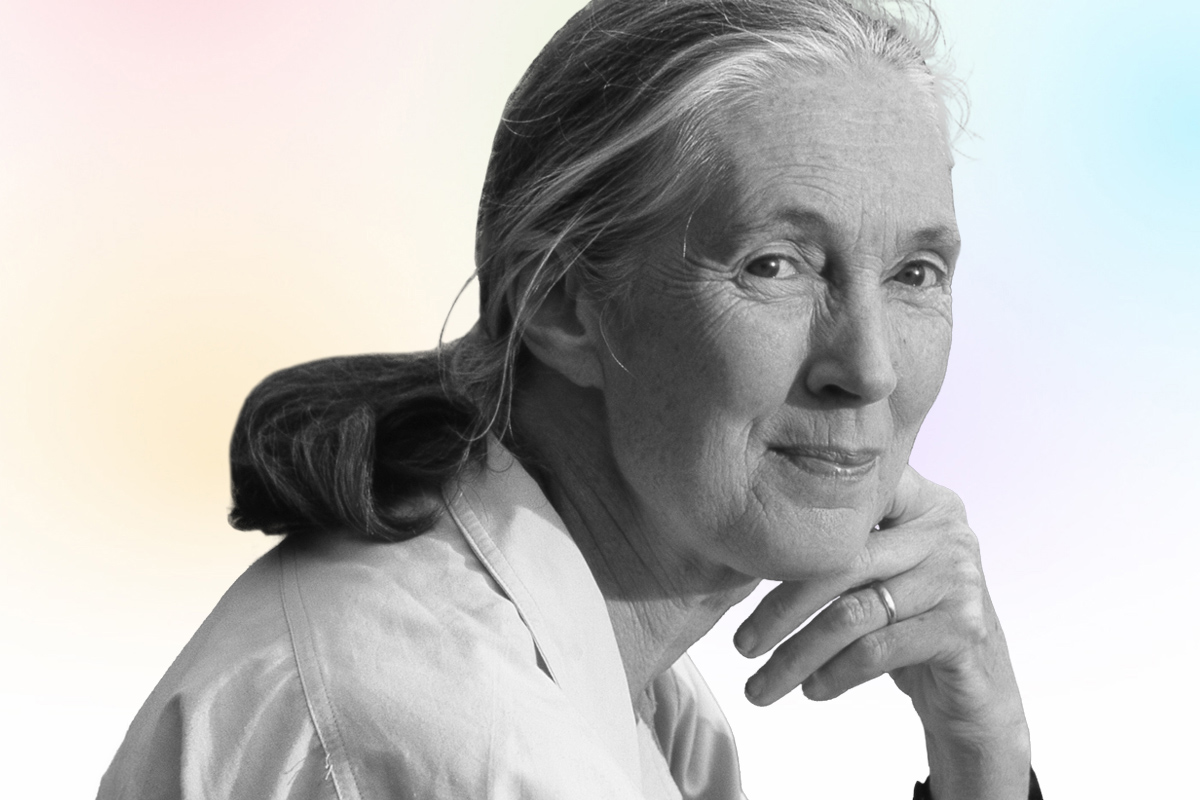
What you do makes a difference, and you have to decide what kind of difference you want to make.
Jane Goodall
Custom post type for quotes
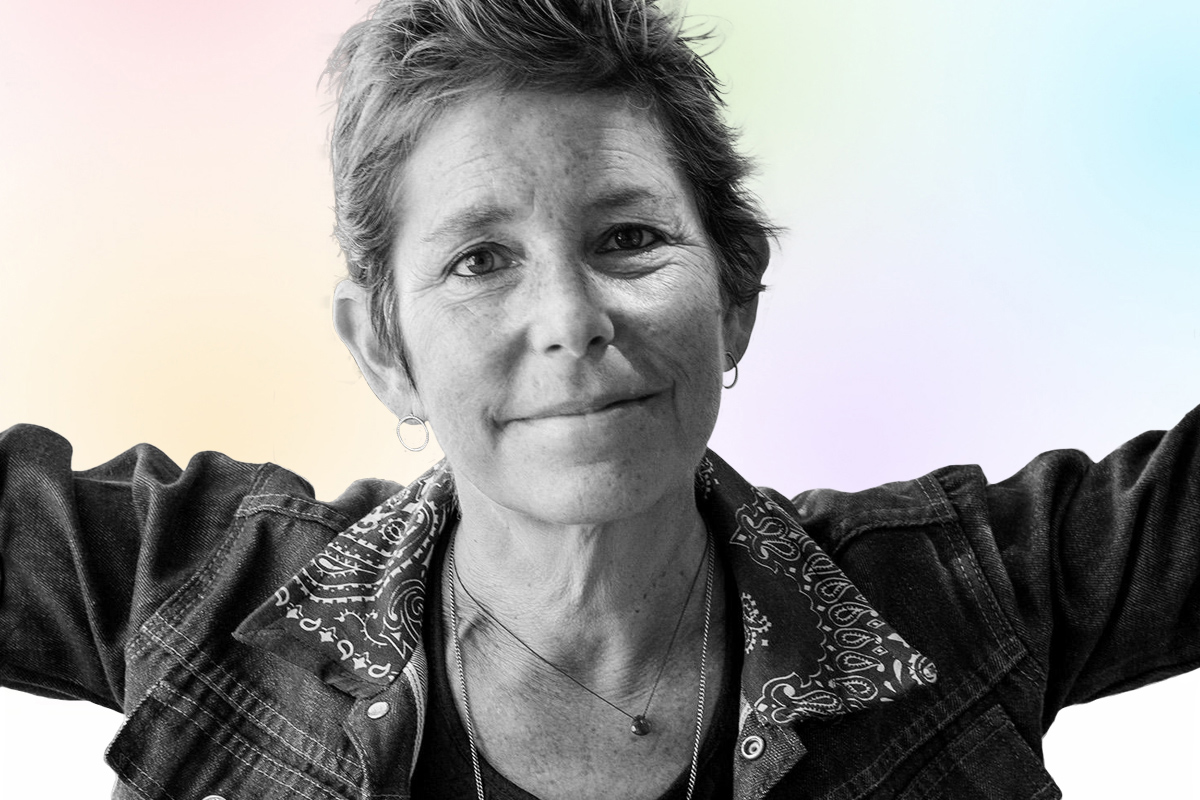
Earnestness was clearly important to Amy Krouse Rosenthal, as evidenced by this quote from her book “Textbook Amy Krouse Rosenthal.” The small, quiet humanity of everyday life sparked profound feelings in the Chicago writer, and earnestness is certainly a hallmark of her body of work. This observation of the unsung ways people try to find and make meaning in their lives is simple, yet poignant. Rosenthal’s words aren’t just a reminder that even small, ordinary efforts have meaning; they also illuminate the shared striving of people everywhere waiting to be seen, felt, connected with, and celebrated.
In his well-known book “Beyond Good and Evil,” in which the above quote appears, German philosopher Friedrich Nietzsche explored the idea of morality in a changing society. Nietzsche rejected what he perceived as false morals — values that benefitted the few while harming the majority. He pushed instead for applying free will to our lives and being honest about our motivations. To follow a predetermined set of rules, he argues, is often against our nature, and undercuts the joy of living. Nietzsche’s words invite us to reevaluate our obligations, nudging us toward the things that excite and inspire us in life.
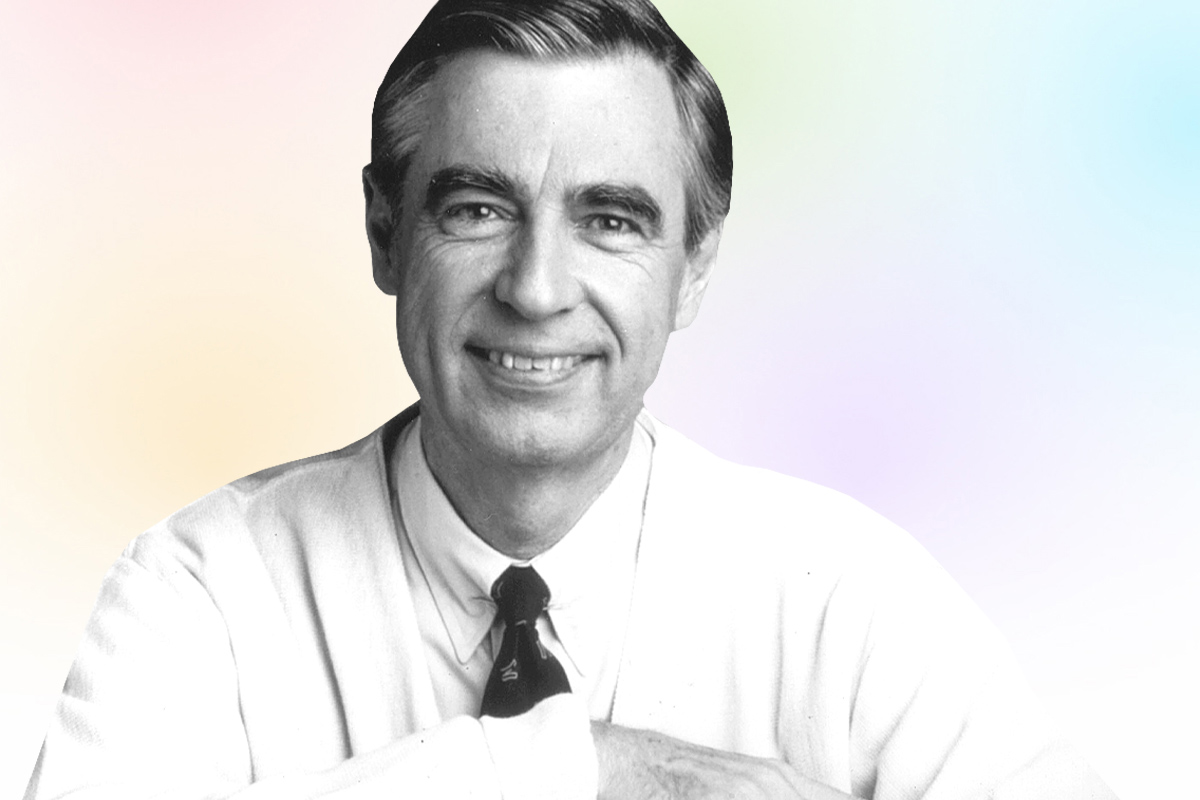
Ah, Mister Rogers, the wholesome father figure whom generations of kids grew to cherish thanks to his regularly shared nuggets of wisdom. He had so much good advice, in fact, that he filled an entire book with it, called “You Are Special: Words of Wisdom for All Ages From a Beloved Neighbor.” In this quote from that book, Mister Rogers tells us that love isn’t effortless. You can care about someone easily, but to continue to care about them as they grow and change — and sometimes cause pain — takes some work. But some things are worth working for, and when it comes to love, it’s almost always worth it to put in the effort.
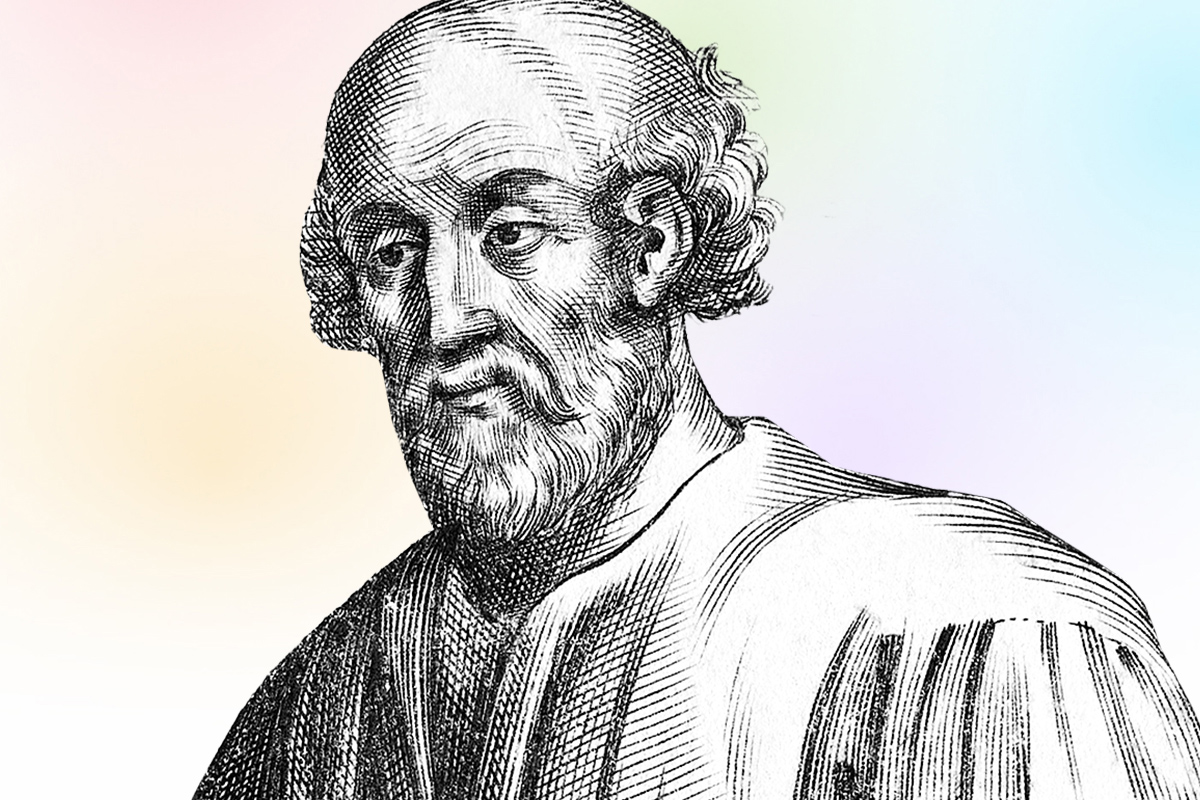
While Greek philosophers such as Socrates and Aristotle debated what makes humans morally good, Epicurus was more concerned with what makes us happy. The ancient thinker theorized that friends, free time, and self-improvement were all key to happiness, and he formed communes where these beliefs were put into practice. His words here remind us that if we live with integrity, with the ideas of justice and empathy never far from our center, then peace of mind is a natural side effect, as is the contentment that it provides.
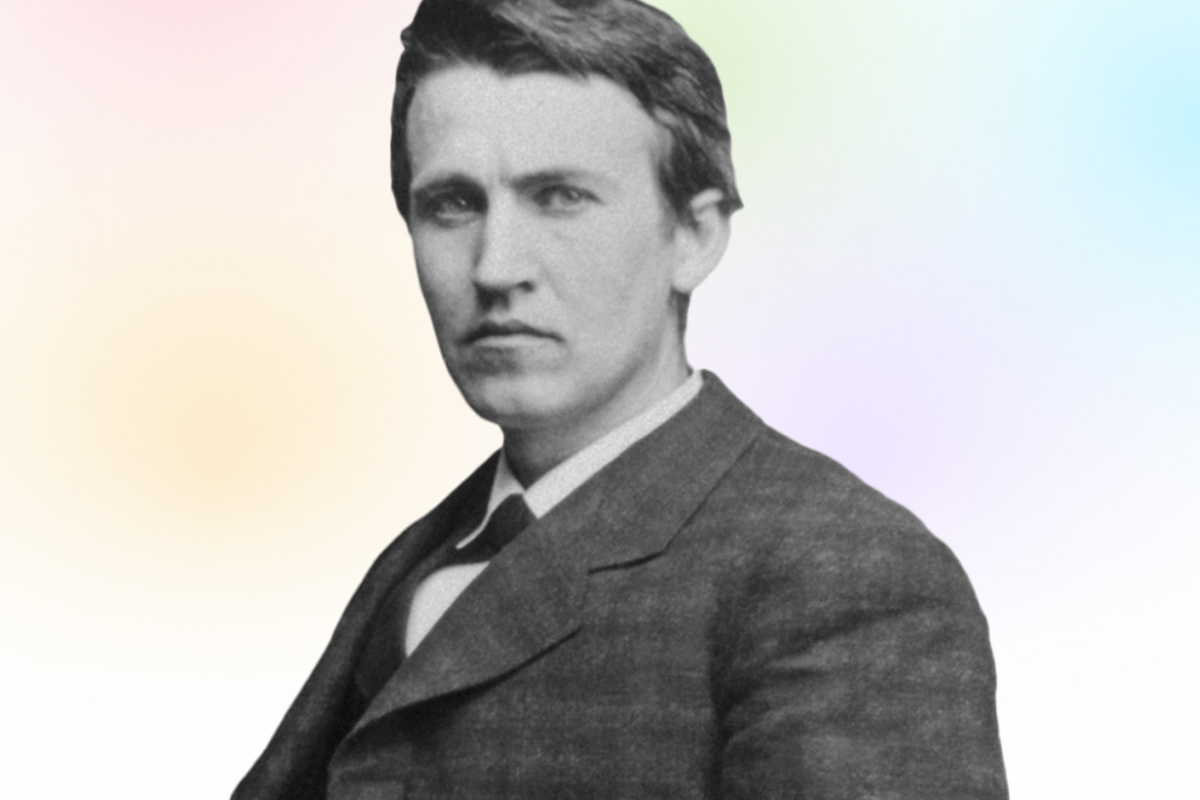
Thomas Edison revolutionized modern life with such innovative inventions as the phonograph and the incandescent light bulb. But his prolific experimentation also meant that failure was a given. Edison saw those moments as stepping stones, saying, “Our greatest weakness lies in giving up.” Progress hardly ever happens in a straight line, and it almost always comes with its fair share of setbacks. Success is the product of many things, but perhaps most importantly, it comes down to persistence.

In one of Bill Watterson’s classic “Calvin and Hobbes” comic strips, his two protagonists walk through a field engaged in conversation. The ever-curious Calvin tells Hobbes that sometimes when he’s talking, his words can’t keep up with his thoughts. Calvin finds this strange, and wonders why we think so much faster than we speak. Hobbes delivers a characteristically philosophical retort, musing, “Probably so we can think twice.” The exchange perfectly captures their dynamic: Calvin’s somewhat childlike observation followed by Hobbes’ sage response. It’s a reminder to us all that it’s sometimes best to hold our tongue until we’ve fully thought things through.

Dolores del Río was born into one of the wealthiest families in Mexico, yet rather than remain in her home country, she chose to move to the U.S. and become an actress. She was featured in a number of successful movies in the late 1920s, including “Resurrection,” “Ramona,” and “Evangeline.” She became a queen of the silent film era and the first major female Latin American movie star. Irish playwright George Bernard Shaw once said, “The two most beautiful things in the world are the Taj Mahal and Dolores del Río.” Her Hollywood career began to fade by the early 1940s and she returned to Mexico, where she continued her influence as a leading star of the golden age of Mexican cinema.