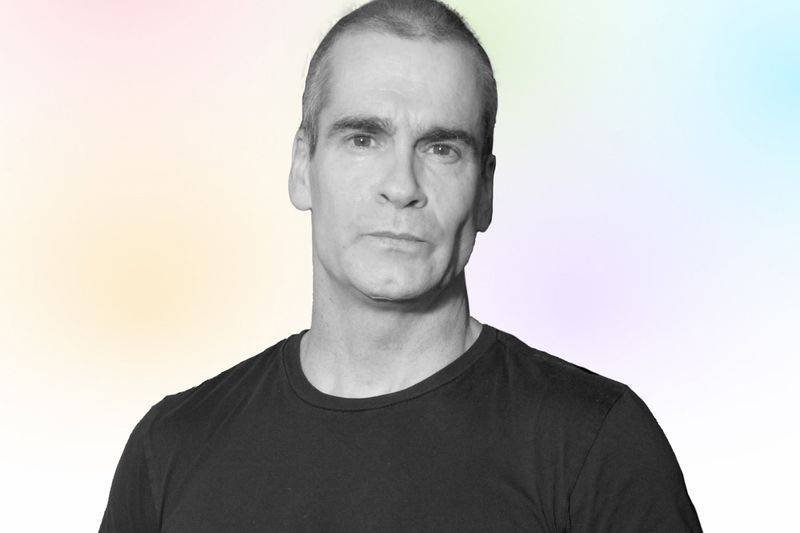
Henry Rollins
Quotes By Henry Rollins

Advertisement
Featured Image Credit: The Photo Access/ Alamy Stock Photo
recommended articles
Custom post type for authors
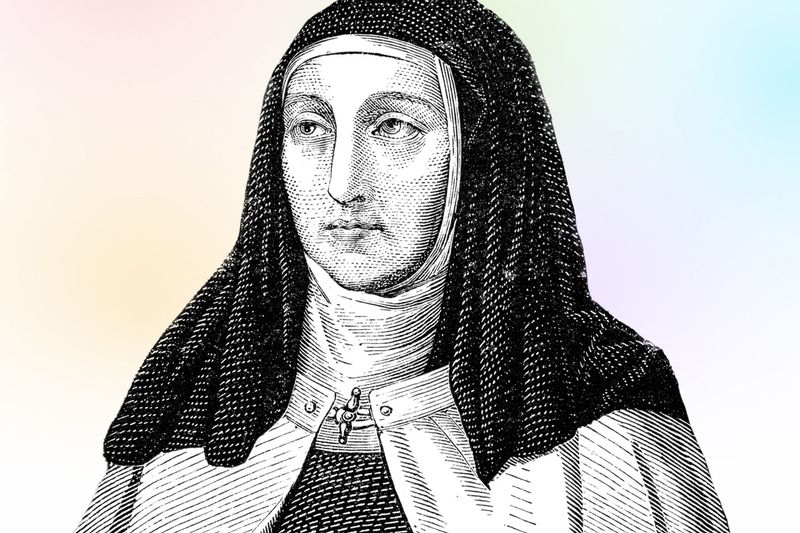
Spanish nun and mystic (1515-1582)
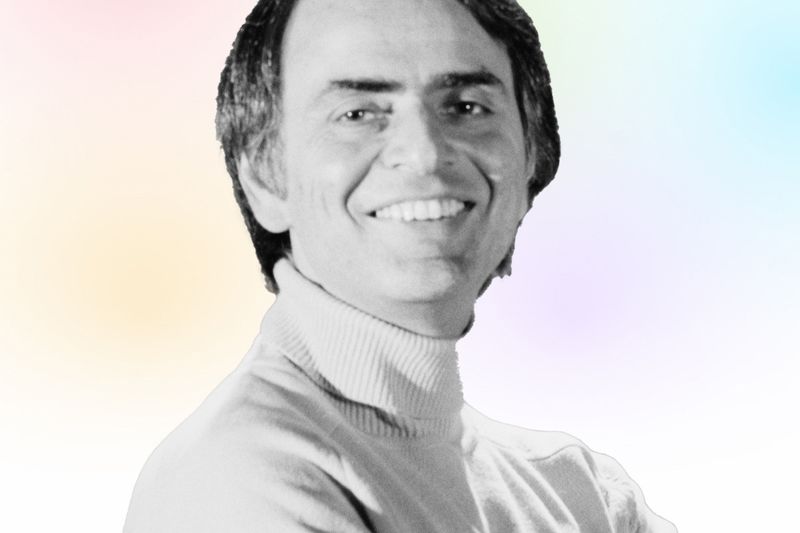
Astronomer and science communicator (1934-1996)
Carl Sagan was one of the 20th century’s most influential scientists, a rare celebrity in the field whose influence touched not only the scientific community but culture at large. Born in 1934 in Brooklyn, New York, Sagan developed a fascination with the stars as a kid, an interest his mother...
Carl Sagan was one of the 20th century’s most influential scientists, a rare celebrity in the field whose influence touched not only the scientific community but culture at large. Born in 1934 in Brooklyn, New York, Sagan developed a fascination with the stars as a kid, an interest his mother encouraged him to pursue at the library. He later earned degrees in physics, astronomy, and astrophysics. An accomplished astronomer, Sagan worked as a professor at Cornell University, wrote several books, and was a key contributor to NASA’s Voyager program.
In 1980, Cosmos, a 13-part television series co-created and hosted by Sagan, aired on PBS. The show was a perfect encapsulation of Sagan’s ability to make complex science accessible, and it was a smash hit, eventually reaching hundreds of millions of people worldwide. Sagan’s charismatic presence didn’t hurt in making him a science celebrity, either; he frequently appeared on talk shows such as The Tonight Show Starring Johnny Carson. He wasn’t without his critics: Some thought his approach was too speculative, while others felt he was too self-aggrandizing. Sagan nonetheless inspired a new generation of stargazers before his death in 1996 at age 62.
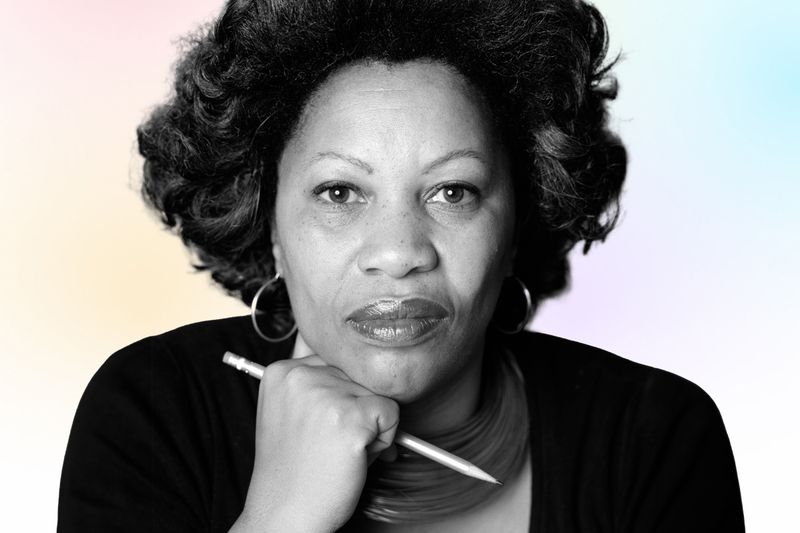
Nobel and Pulitzer Prize-winning novelist (1931-2019)
Greatness often takes time. Toni Morrison, born in Ohio in 1931, was one of the most celebrated authors of the 20th century, but she didn’t publish her first novel until the age of 39. She was hardly languishing before then, however. After earning an English degree from Howard University and...
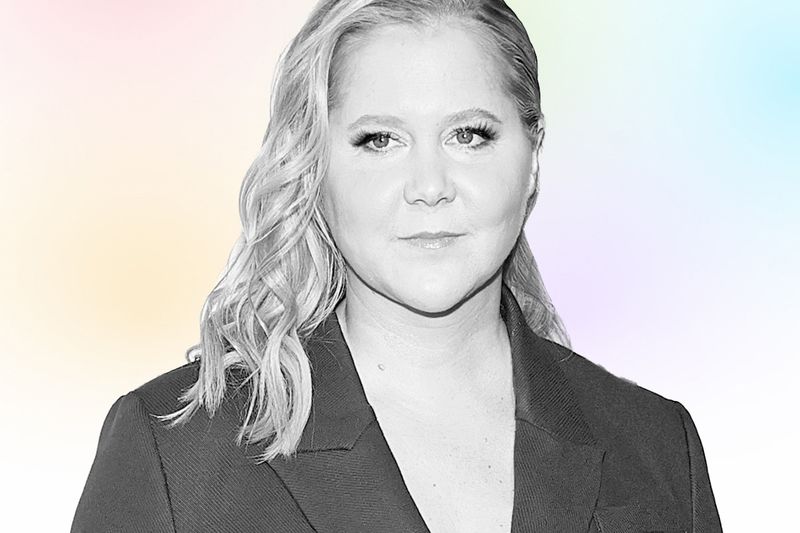
Actress, comedian, and writer (1981-present)
Actress and comedian (1922-2021)
Nobel Prize-winning writer (1899-1961)
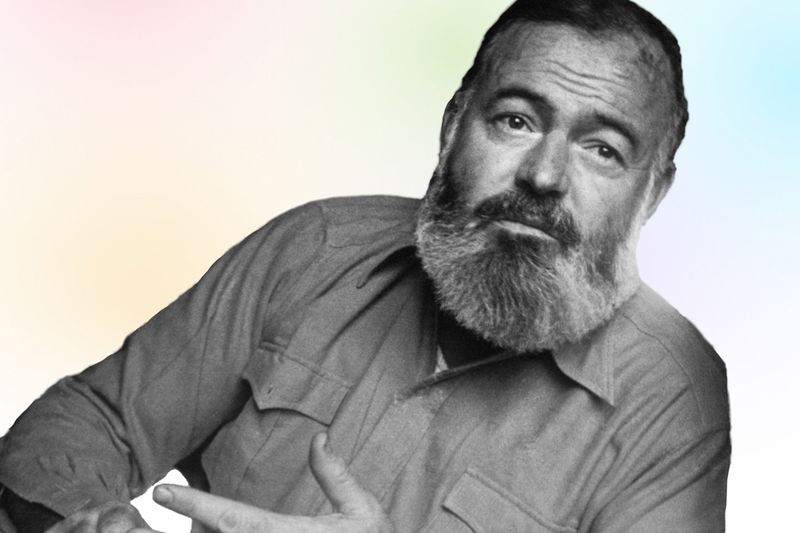
Ernest Hemingway is one of the greatest American novelists of the 20th century. Born in 1899 in Oak Park, Illinois, Hemingway spent his summers at the family cabin in Northern Michigan. It was a formative place for the young writer; he not only developed a love of the outdoors there,...
Ernest Hemingway is one of the greatest American novelists of the 20th century. Born in 1899 in Oak Park, Illinois, Hemingway spent his summers at the family cabin in Northern Michigan. It was a formative place for the young writer; he not only developed a love of the outdoors there, but also used the setting as inspiration for his future writing. Hemingway showed an early aptitude for writing in high school. After graduation, he skipped college and instead moved to Kansas City in search of independence and adventure. He worked as a reporter for the Kansas City Star at just 17. Soon after, he served as an ambulance driver for the Italian army in World War I.
Hemingway returned from war injured and heartbroken after a failed engagement. (He went on to have four wives and three children in his life.) He moved between Canada, the U.S., and Paris as a newspaper writer until penning his first novel, The Sun Also Rises (1925). The novel captured a generational aimlessness and proved the perfect canvas for the writer’s concise, punchy prose. It is considered by many to be his finest work, and one of the greatest novels of all time. By the release of his third novel, the World War I love story A Farewell to Arms (1929), Hemingway was a literary star.
When he wasn’t reporting on the Spanish Civil War or writing For Whom the Bell Tolls (1940), Hemingway spent much of the 1930s seeking adventure around the world: hunting in Africa, taking in bullfighting in Spain, and deep-sea fishing aboard his beloved boat, Pilar. After a rapid succession of literary classics, Hemingway also released his most famous book, The Old Man and the Sea, in 1952. In 1954, the author won the Nobel Prize in literature. After years of success but also deteriorating physical and mental health, Hemingway took his own life at his home in Idaho in 1961 at age 61.