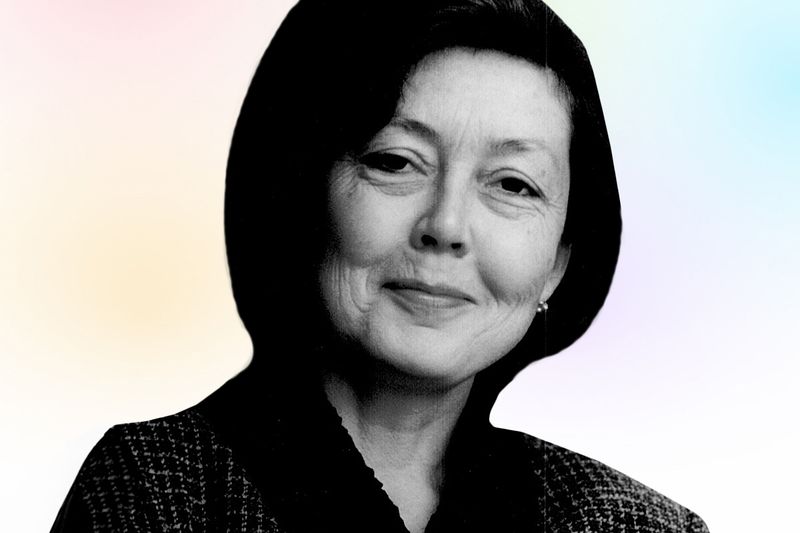
Gretel Ehrlich
Travel writer, poet, and essayist (1946-present)
Quotes By Gretel Ehrlich

Advertisement
Featured Image Credit:
recommended articles
Custom post type for authors
Travel writer, poet, and essayist (1946-present)
Canadian poet and essayist (1950-present)
South African comedian, writer, and TV host (1984-present)
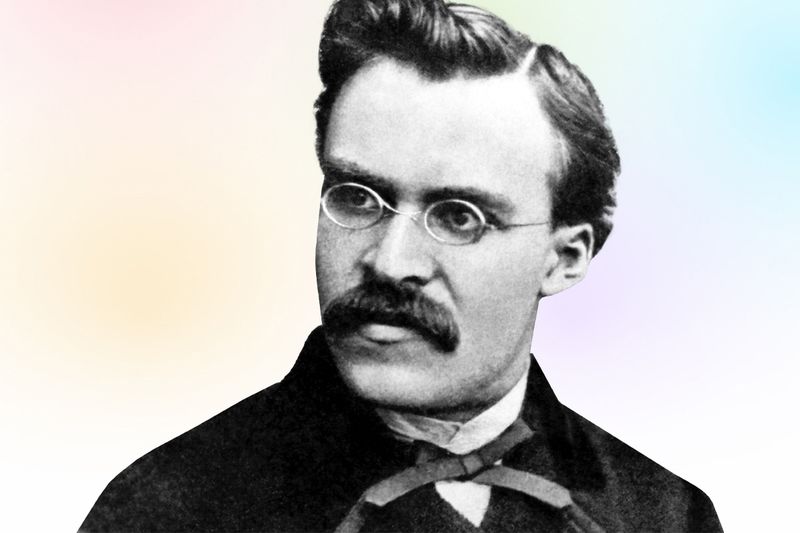
German philosopher and cultural critic (1844–1900)
A revolutionary thinker and master disrupter, Friedrich Nietzsche is often described as having altered the course of Western thinking. “God is dead,” perhaps his most famous idea, laid the intellectual groundwork for a new worldview that challenged traditional Christian values, urging autonomy and authenticity. Nietzsche’s intellectual acumen was evident from...
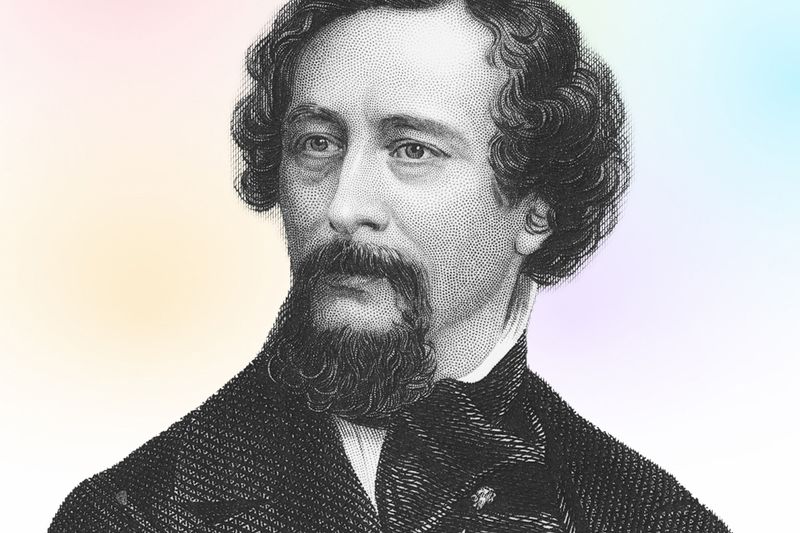
English novelist (1812-1870)
He’s regarded as the quintessential Victorian-era author and is credited with creating the blueprint of modern Christmas celebrations. Charles Dickens was born in 1812 in Portsmouth, England, and at the young age of 11 took on a factory job to help his family get by. It would prove to be...
He’s regarded as the quintessential Victorian-era author and is credited with creating the blueprint of modern Christmas celebrations. Charles Dickens was born in 1812 in Portsmouth, England, and at the young age of 11 took on a factory job to help his family get by. It would prove to be a pivotal time for Dickens, shaping his view of the working class and many of his most famous works, including David Copperfield and Oliver Twist. Both of these books, along with the rest of Dickens’ novels, were initially published in affordable monthly installments, making his literature accessible to all classes.
Dickens’ compassion for society’s most vulnerable is a defining and enduring characteristic of his work. In the famous A Christmas Carol (1843), he highlighted wealth gaps and the struggles of the working class. Along with coining words and phrases still in use today, Dickens wrote vivid portrayals of societal inequalities that led to the modern descriptor “Dickensian.” The prolific author penned 15 novels, several novellas, and hundreds more articles and stories in his life. He worked until his death in 1870 at age 58.
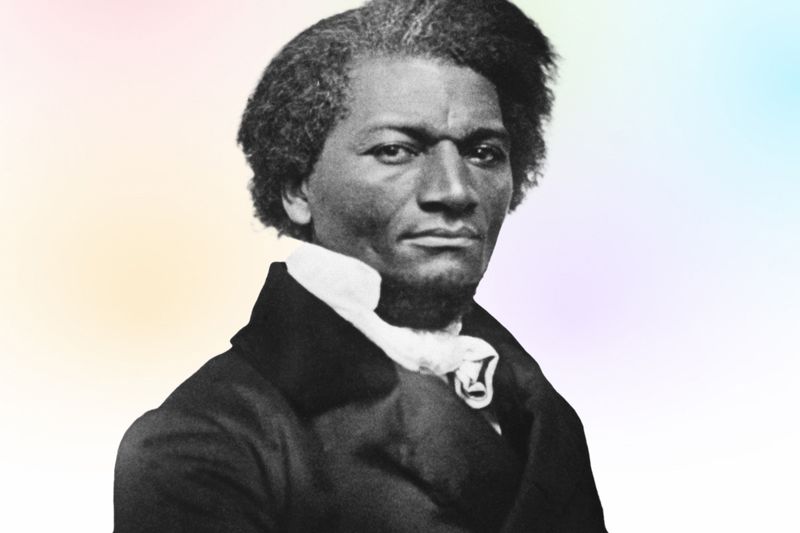
Abolitionist and orator (1818-1895)
After enduring the first 20 years of his life as an enslaved person, Frederick Douglass became a renowned author, orator, and leader of America’s abolitionist movement. Born in 1818 in Maryland as Frederick Augustus Washington Bailey, Douglass experienced brutal realities early in life, including family separation and physical abuse. Despite...
After enduring the first 20 years of his life as an enslaved person, Frederick Douglass became a renowned author, orator, and leader of America’s abolitionist movement. Born in 1818 in Maryland as Frederick Augustus Washington Bailey, Douglass experienced brutal realities early in life, including family separation and physical abuse. Despite bans aimed to stop enslaved people from receiving an education, Douglass learned to read and write in secret as a child, eventually sharing his knowledge and skills with others. In 1838, at the age of 20 and after previous failed attempts, Douglass successfully escaped slavery to New York City.
Three years later, while living with his wife and children in Massachusetts, Douglass gave his first public speech about his experiences as an enslaved person. It captivated the crowd, and soon he was doing in-demand speaking tours. In 1845, he published his first autobiography, The Narrative of the Life of Frederick Douglass, and expanded his advocacy work to include women’s rights. During the American Civil War, he worked with President Abraham Lincoln to ensure equal rights and pay for African American soldiers. Douglass remained an influential civil rights figure until his death in 1895 at the age of 77.
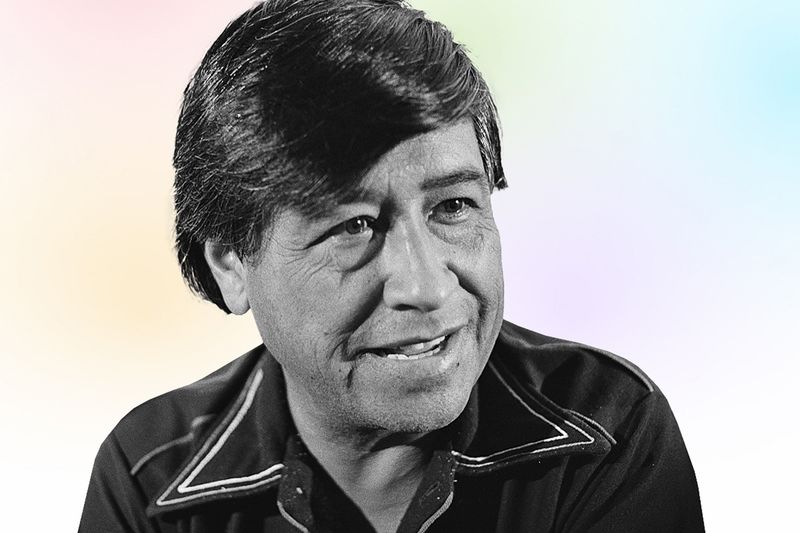
Labor leader and civil rights activist (1927-1993)