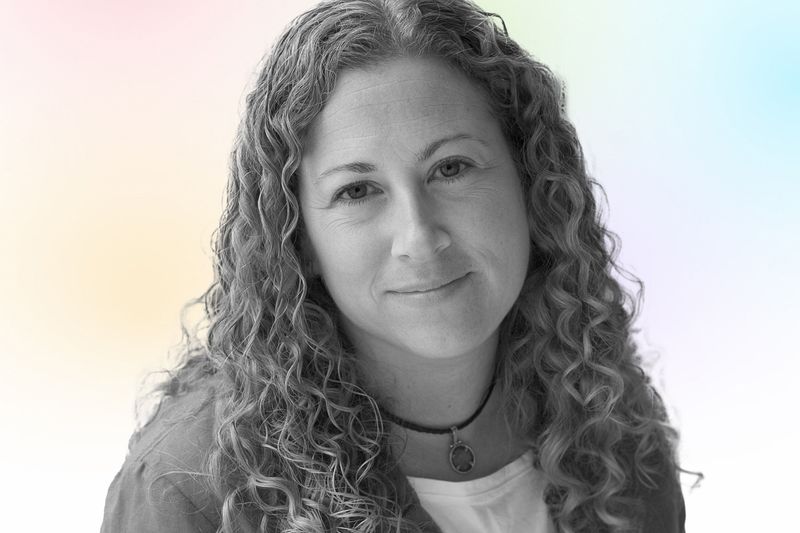
Sue Monk Kidd
Quotes By Sue Monk Kidd

Advertisement
Featured Image Credit: WENN Rights Ltd/ Alamy Stock Photo
recommended articles
Custom post type for authors
English author (1775-1817)
Author (1966-present)
French philosopher and author (1913-1960)
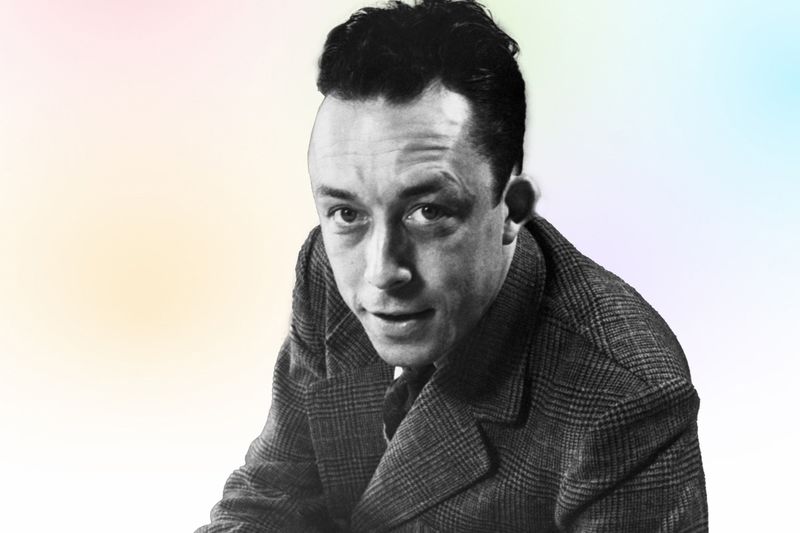
Albert Camus is considered by many to be one of the great existentialists, though the writer and philosopher himself famously rejected ideological labels — he simply considered himself an artist. Born in 1913 in French Algeria, Camus’ working-class family was close-knit. But tragedy struck the family within the first year...
Albert Camus is considered by many to be one of the great existentialists, though the writer and philosopher himself famously rejected ideological labels — he simply considered himself an artist. Born in 1913 in French Algeria, Camus’ working-class family was close-knit. But tragedy struck the family within the first year of Camus’ life, when his father, Lucien, died in battle in World War I. Despite hardships in his early life, Camus flourished in school, showing an early aptitude in literature and philosophy. His first published essay collections, Betwixt and Between (1937) and Nuptials (1938) explored some of the philosophical themes that would come to define Camus’ work: love, death, the natural world, and, of course, the inherent absurdity of existence.
Years of higher education as well as stints in performance and journalism followed, but in 1942, Camus rose to prominence with his debut novel The Stranger and a philosophical essay titled “The Myth of Sisyphus.” Both works poignantly encapsulated the reluctant existentialist’s philosophy of the absurd. In 1957, Camus’ work earned him the Nobel Prize in literature; he died in a car accident just three years later at age 46.
Vietnamese Buddhist monk (1926-2022)
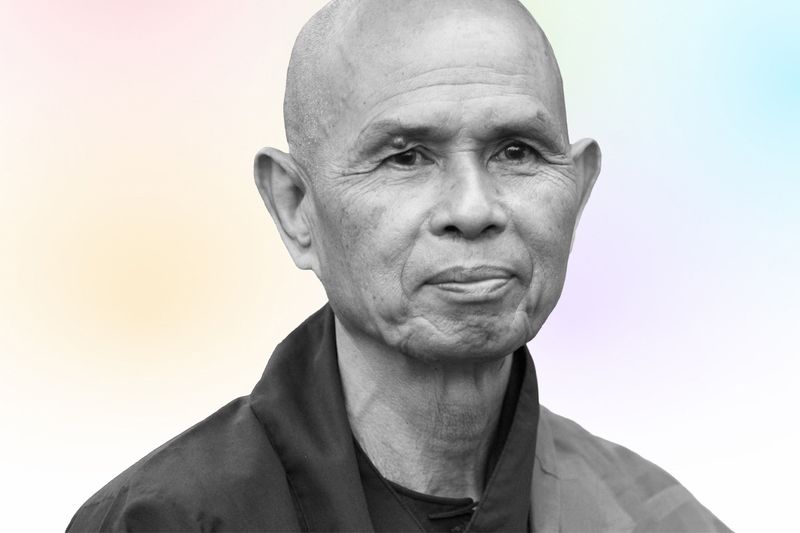
Thích Nhất Hạnh was a renowned Zen master, poet, and peace activist who was instrumental in bringing the teachings of mindfulness and Buddhism to the Western world. Born in Hue, Vietnam, in 1926 as Nguyen Dinh Lang, his name was later changed to Nguyen Xuan Bao. At 16, he entered...
Thích Nhất Hạnh was a renowned Zen master, poet, and peace activist who was instrumental in bringing the teachings of mindfulness and Buddhism to the Western world. Born in Hue, Vietnam, in 1926 as Nguyen Dinh Lang, his name was later changed to Nguyen Xuan Bao. At 16, he entered a Zen monastery to study Buddhism. In 1949, upon his official ordination, he took the Buddhist name Thích Nhất Hạnh, with “Thích” serving as an honorary name for Vietnamese monks and nuns.
Throughout the 1960s, with the escalation of the Vietnam War, Thích Nhất Hạnh’s efforts to promote peace gained recognition around the world. He published Vietnam: Lotus In a Sea of Fire in 1967, founded a grassroots organization that undertook on-the-ground war recovery efforts, and in 1967, was nominated for the Nobel Peace Prize by Martin Luther King Jr. Exiled from Vietnam in 1966, Thích Nhất Hạnh continued his peacekeeping and mindfulness advocacy, writing more than 100 books including the seminal The Miracle of Mindfulness: An Introduction to the Practice of Meditation (1975) and The Art of Living: Peace and Freedom in the Here and Now (2017). The revered monk died in 2022 at the age of 95.