

Wednesday, August 13, 2025
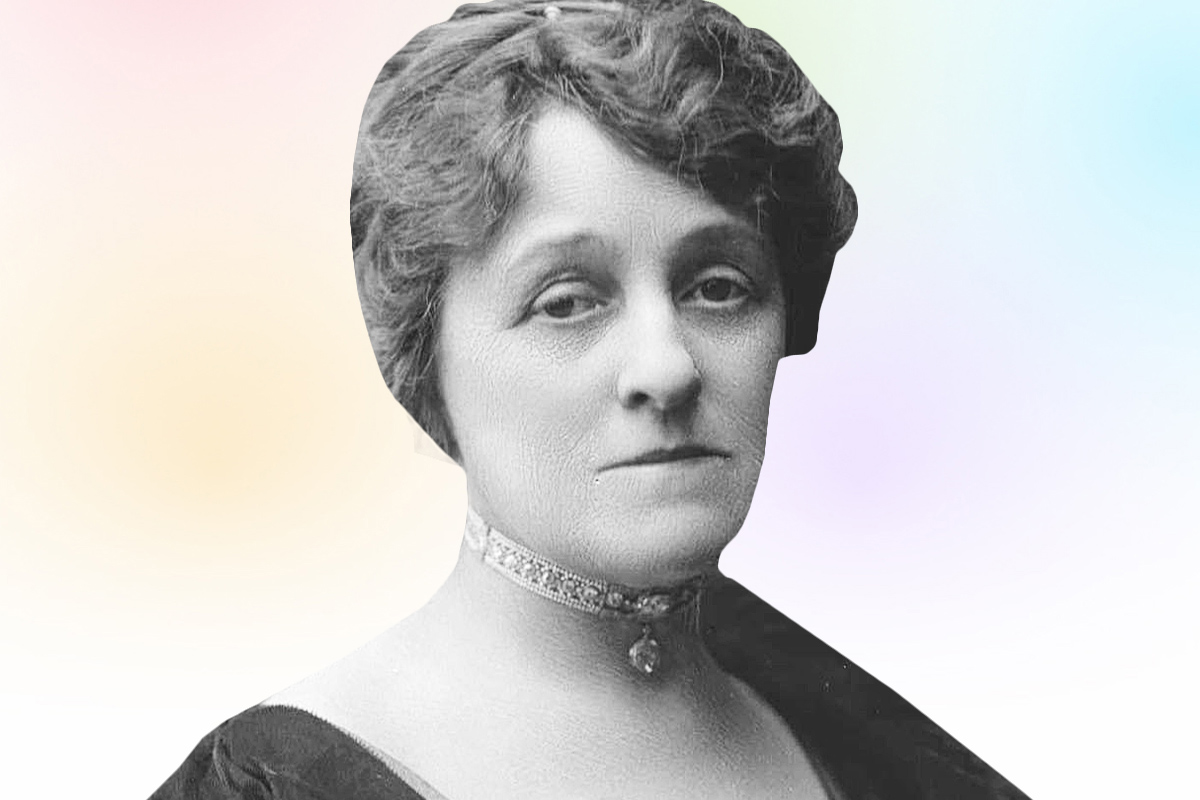
This opening line of Edith Wharton’s dramatic monologue “Vesalius in Zante (1564)” feels like a breath of fresh air. Its speaker is Andreas Vesalius, a Spanish Inquisition-era anatomist who faced such backlash for his studies — scientific research was then forbidden — that, in despair, he burned his manuscripts and abandoned his calling. Vesalius could not bear a life of restricted inquiry forever, though. In his 50s he fled Spain for Jerusalem, yet on his way home was shipwrecked on a Greek island and died. Wharton’s poem, which imagines Vesalius’ final moments, ends as it begins, with a window: “Turn me in my bed. / The window darkens as the hours swing round; / But yonder, look, the other casement glows! / Let me face westward as my sun goes down.” Though the great man’s life is ending, Wharton seems to say, it has been a satisfying one — defined, in the end, by truth and integrity.
Advertisement
recommended articles

The Funniest Literary One-Liners
Books have the magical ability to evoke a wide range of emotions in their readers, including uproarious laughter. A well-written...



Advertisement
More happiness inspiration