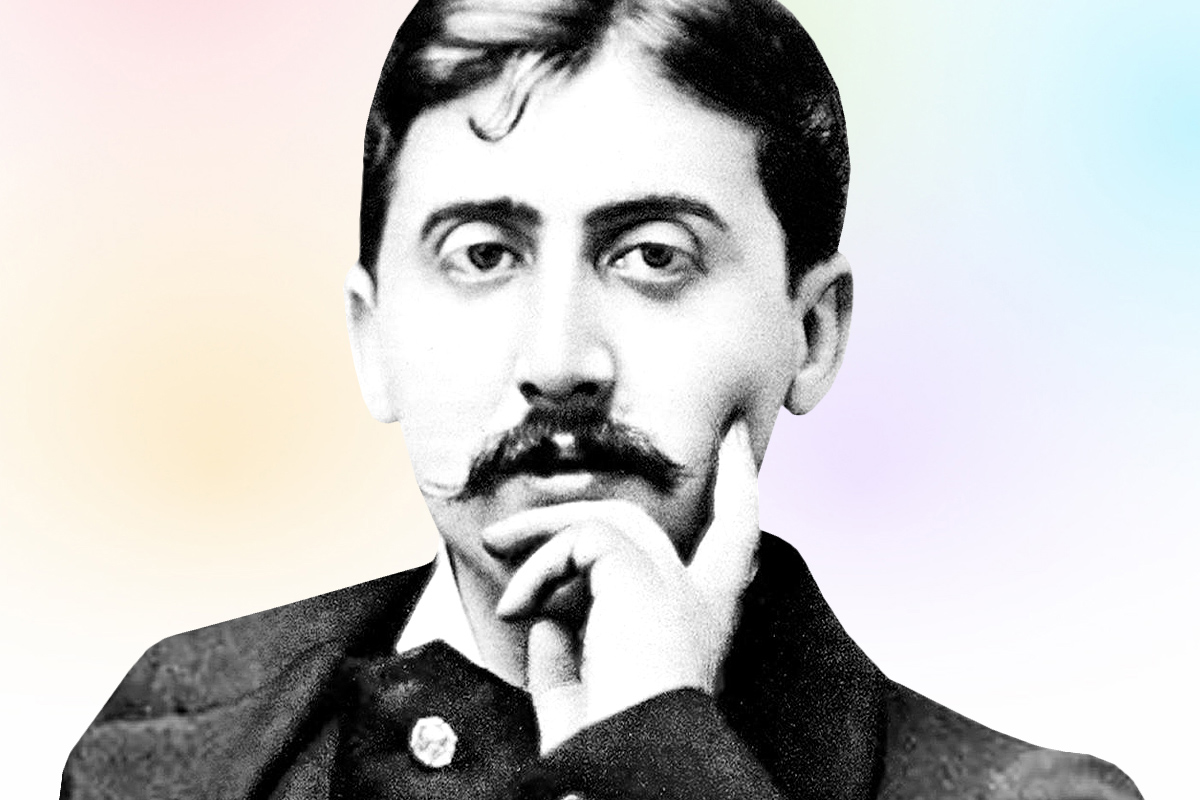
People don't know when they’re happy. One is never as unhappy as one thinks.
Marcel Proust

French novelist Marcel Proust devoted his work to exploring memory, perception, and the ways people often misread their own lives as they’re living them. This observation from “Swann’s Way,” the first volume of his seven-part novel “In Search of Lost Time,” reflects his fascination with time as something revealed through memory rather than fully understood in the present. Proust suggests that people’s unhappiness feels exaggerated in the moment because they lack the distance needed to recognize what’s sustaining them while it’s happening. His insight invites us to resist catastrophizing our emotions, reminding us that the moments in our lives that feel uncertain or imperfect may later reveal themselves as meaningful or less dire than we’d thought.