Pema Chödrön

Buddhist nun and teacher (1936-present)

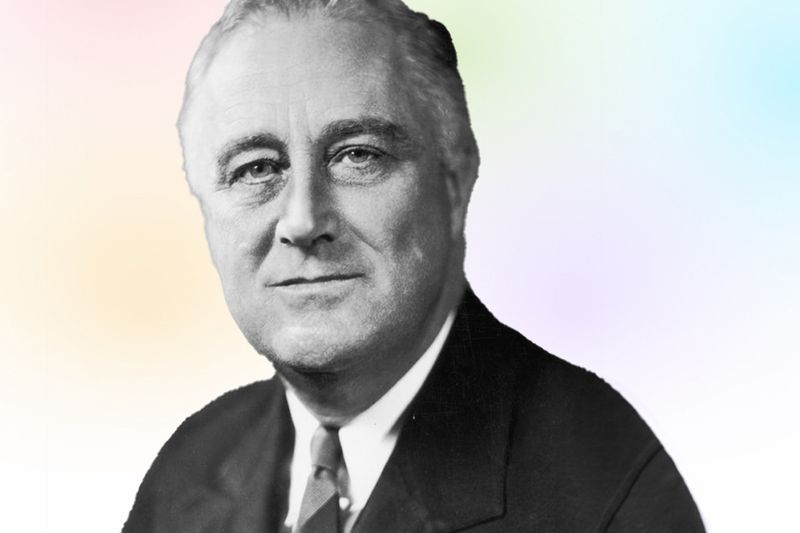
Pema Chödrön, a beloved Buddhist teacher and nun, was born Deirdre Blomfield-Brown in 1936 to a Catholic family in New York City. She attended an elite boarding school as a teenager, where her interest in spirituality began to expand. She married young and had two children, but was divorced by...

Pema Chödrön, a beloved Buddhist teacher and nun, was born Deirdre Blomfield-Brown in 1936 to a Catholic family in New York City. She attended an elite boarding school as a teenager, where her interest in spirituality began to expand. She married young and had two children, but was divorced by her mid-20s; though she remarried a few years later, that partnership also dissolved, and Chödrön found herself unmoored.

Following this period of personal turmoil, and inspired by the writings of Tibetan teacher Chögyam Trungpa Rinpoche, Chödrön eventually embraced Buddhism. In 1981, she became the first American woman to be ordained as a Tibetan Buddhist nun. Chödrön is perhaps best known for her book When Things Fall Apart: Heart Advice for Difficult Times (1996). Her straightforward, actionable steps on relatable struggles such as heartbreak and uncertainty offer grounded, real-life advice that has resonated widely. Chödrön’s home monastery is the Gampo Abbey in rural Nova Scotia, Canada.


Advertisement
Featured Image Credit: 

Confucius

Chinese philosopher and teacher (c. 551-479 BCE)

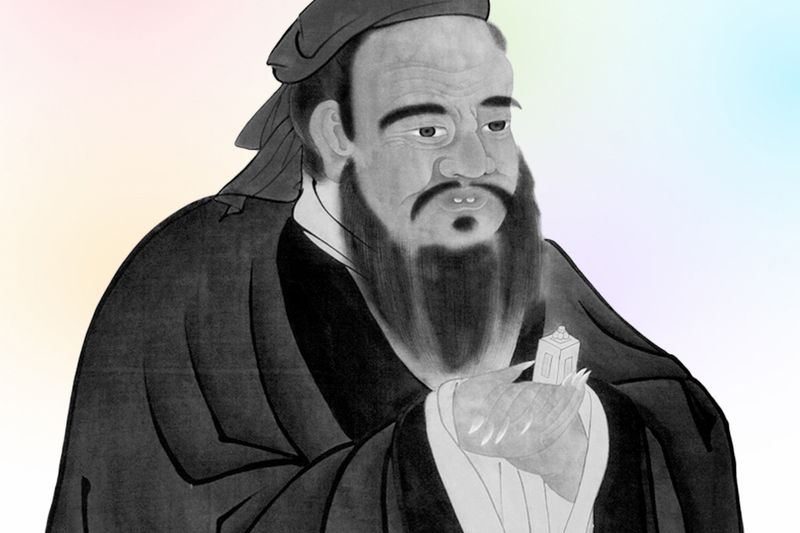
Confucius was a Chinese philosopher whose teachings became the cornerstone of Confucianism, a philosophical and ethical system that has profoundly shaped Chinese culture and society for more than 2,500 years. Though little is known about his childhood, Confucius was most likely born in 551 BCE in what is now Shandong...

Confucius was a Chinese philosopher whose teachings became the cornerstone of Confucianism, a philosophical and ethical system that has profoundly shaped Chinese culture and society for more than 2,500 years. Though little is known about his childhood, Confucius was most likely born in 551 BCE in what is now Shandong province in eastern China. Records also indicate that his father died shortly after Confucius was born, leaving his mother to raise him in poverty. Despite these challenges, Confucius developed a passion for learning, a value that became central to his enduring philosophy.

The core tenet of Confucianism is what’s known as ren, a virtue that embodies kindness, compassion, and empathy and is often translated as “benevolence” or “humaneness.” The philosophy also has a strong emphasis on the bonds of family and community. These values are immortalized in a compilation of Confucius’ teachings known as The Analects. Among its most enduring principles is a sentiment well known in the Western world and often expressed in Christianity as the “Golden Rule”: Do not impose on others what you do not wish for yourself. Confucius died in 479 BCE.

Advertisement
Featured Image Credit:  1970s/ iStock