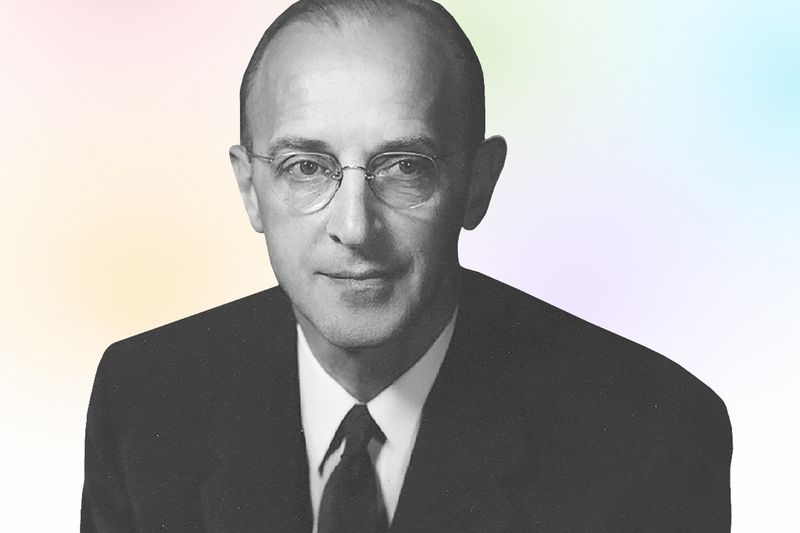
William A. Ward
Motivational writer (1921-1994)
Quotes By William A. Ward

Advertisement
Featured Image Credit:
recommended articles
Custom post type for authors
Motivational writer (1921-1994)
Actress, playwright, and screenwriter (1896-1985)
Singer-songwriter (1941-present)
Psychologist (1902-1987)
Novelist (1873-1947)
Poet and feminist (1929-2012)
Writer (1958-present)
Pulitzer Prize-winning poet (1935-2019)
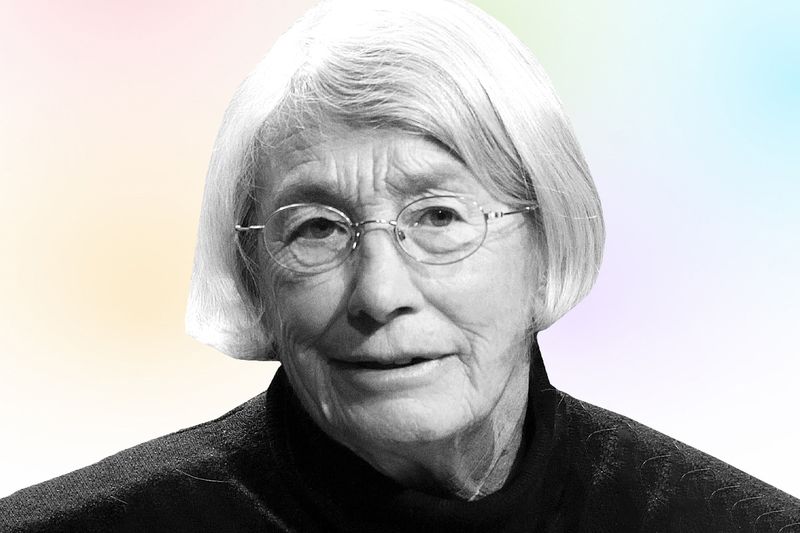
The natural world has been a source of inspiration to many literary greats, and for poet Mary Oliver, the connection was truly profound. Born in 1935 in Maple Heights, Ohio, Oliver spent hours playing in the woods as a child. It was an escape from a difficult childhood; out in...
The natural world has been a source of inspiration to many literary greats, and for poet Mary Oliver, the connection was truly profound. Born in 1935 in Maple Heights, Ohio, Oliver spent hours playing in the woods as a child. It was an escape from a difficult childhood; out in the forest, she not only played but started a deep, lifelong communion with nature and started writing poems to reflect it. At 28, she published her first book of poetry, No Voyage and Other Poems (1963). Her fifth book, American Primitive, won the Pulitzer Prize for poetry in 1984.
Oliver’s poems use simple, straightforward language and clear, relatable imagery; the style, while miming her personal humility, also likely helped her commercial success as one of the bestselling poets in the U.S. It also masked a brooding depth — her spare, conversational prose leaves room for beauty and serenity while her precise and poignant observations illustrate her passion for her natural surroundings. Oliver lived in Provincetown, Massachusetts, with her partner Molly Malone Cook for more than 40 years; the poet found endless inspiration in the coastal New England landscapes. Following Cook’s death in 2005, Oliver moved to Florida, where she continued to write and lived until her death in 2019.
Singer-songwriter (1989-present)
Poet (1830-1886)
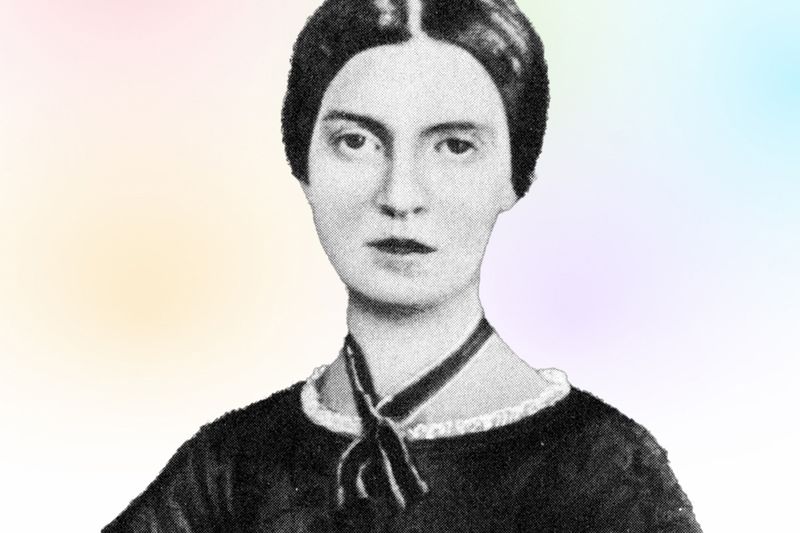
Emily Dickinson is recognized today as a trailblazer in American literature, honing a singular style that laid the groundwork for modern poetry. But the prolific writer was unknown in her own time, and instead lived a secluded life shrouded in relative mystery. Born in 1830 in Amherst, Massachusetts, Dickinson excelled...
Emily Dickinson is recognized today as a trailblazer in American literature, honing a singular style that laid the groundwork for modern poetry. But the prolific writer was unknown in her own time, and instead lived a secluded life shrouded in relative mystery. Born in 1830 in Amherst, Massachusetts, Dickinson excelled at school as a young child, notably in composition and botany, and began writing poetry as a teenager. Her work was characterized by unconventional punctuation, short, lyrical lines, and startlingly expressive imagery of nature, mortality, identity, and love.
It wasn’t until after her death in 1886 that the nearly 1,800 poems Dickinson had written in secret were found by her sister. Her work, including enduring titles “Because I could not stop for Death,” “Hope is the thing with feathers,” and “I heard a Fly buzz – when I died,” was quickly celebrated for its simple profundity. Despite her reclusive lifestyle, Dickinson maintained extensive correspondence with her family, friends, and literary mentors throughout her life. Today, her poetry and the nearly 1,300 existing letters — estimated to be about one-tenth of the letters she actually wrote — reveal as much about the reclusive revolutionary as we may ever know.