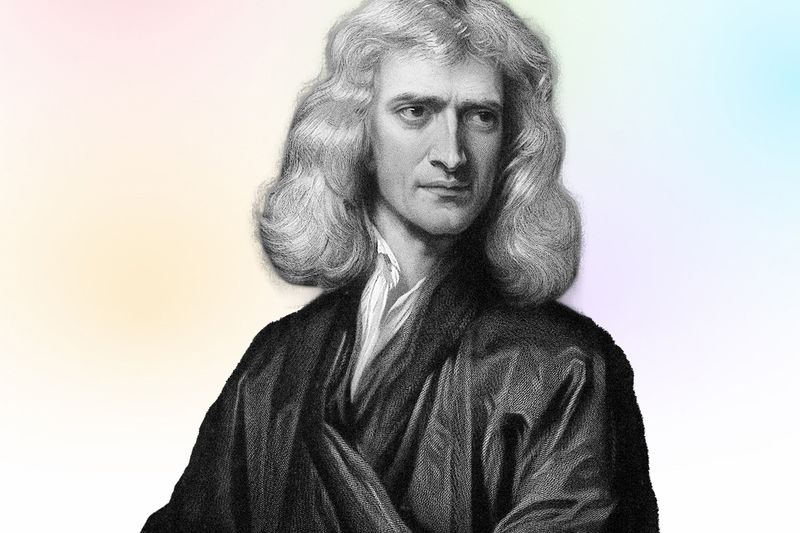
Isaac Newton
Quotes By Isaac Newton

Advertisement
Featured Image Credit: Science History Images/ Alamy Stock Photo
recommended articles
Custom post type for authors
Principal ballet dancer (1982-present)
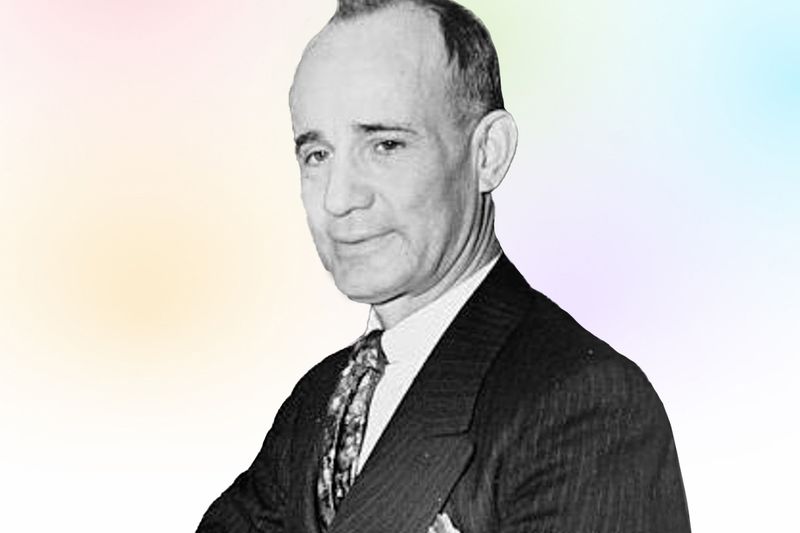
Self-help author (1883-1970)
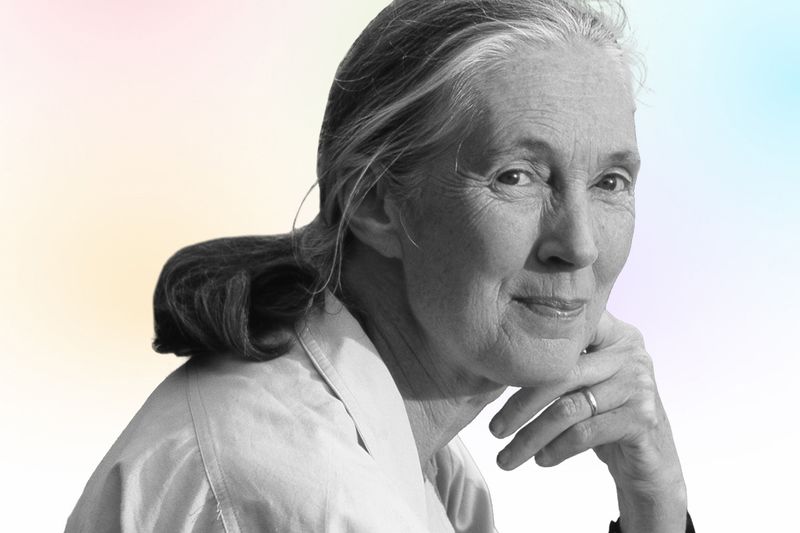
Animal scientist and conservationist (1934-2025)
Jane Goodall was fascinated with animals from a young age. Born in 1934 in London, England, Goodall spent her young years taking notes in nature, dreaming of one day traveling to Africa to do much of the same. Eventually her passion led her, through a family friend, to Tanzania in...
Jane Goodall was fascinated with animals from a young age. Born in 1934 in London, England, Goodall spent her young years taking notes in nature, dreaming of one day traveling to Africa to do much of the same. Eventually her passion led her, through a family friend, to Tanzania in the late 1950s. Despite lacking any formal scientific credentials, she began working with renowned paleoanthropologist Louis Leakey. In 1960, Goodall established her own site in Gombe Stream Game Reserve (now Gombe Stream National Park) to begin her groundbreaking research on wild chimpanzees.
Goodall’s patient observations over the course of years revealed stunning insights, including the discovery that chimpanzees not only use tools, but make them — a behavior previously thought to be exclusive to humans. Her television documentary Miss Goodall and the Wild Chimpanzees (1965) as well as her book In the Shadow of Man (1971) made her a household name and helped bridge the gap between science and popular appeal. Over the years, Goodall transitioned from scientist to advocate, founding the Jane Goodall Institute and championing wildlife conservation and sustainable living around the world.
Singer, songwriter, and actor (1947-2016)
Musician (1965-present)
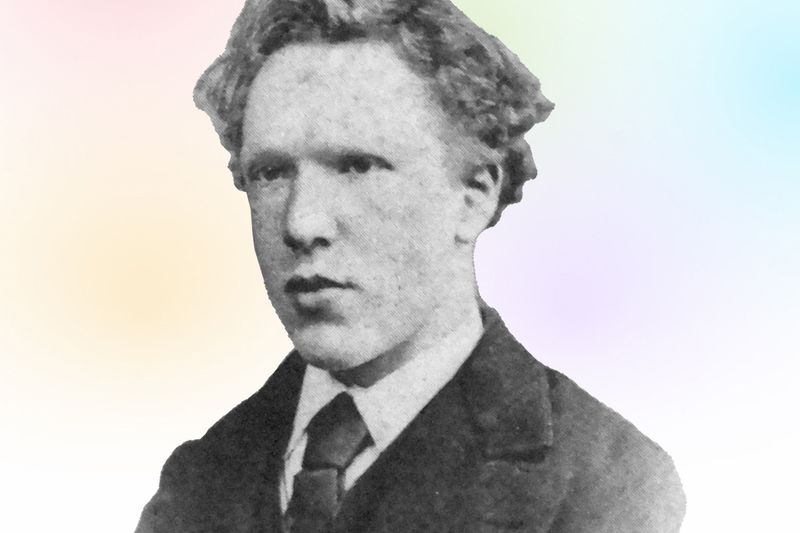
Dutch postimpressionist painter (1853-1890)
Vincent van Gogh certainly fits the image of the archetypal tortured artist — a persona that is evident in the many passionate letters he wrote. Van Gogh is well known today for cutting off his own ear, and though he is now considered one of the greatest artists in history,...
TV producer and screenwriter (1970-present)
Motivational speaker and author (1921-1989)
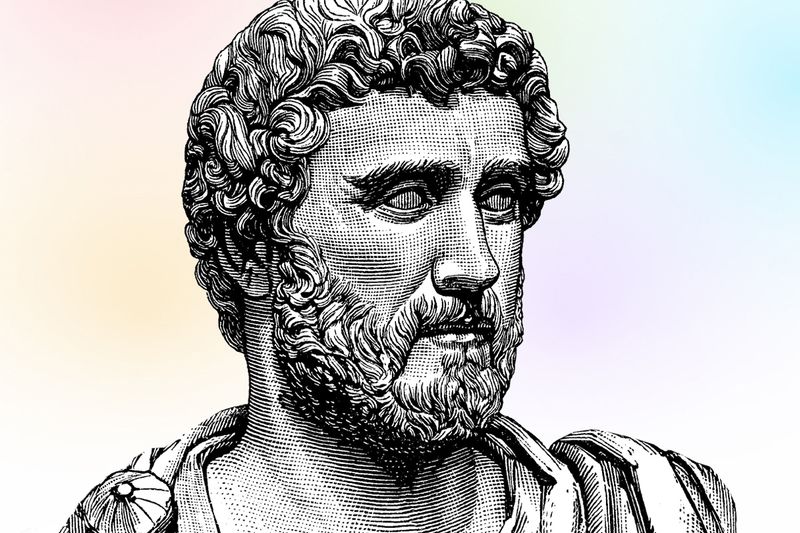
Roman emperor (121-180 CE)
Marcus Aurelius was the last of the so-called "Five Good Emperors" of the golden age of the Roman Empire, but he is also known as one of antiquity’s most influential Stoic philosophers. Born into a wealthy patrician family in 121 CE, Aurelius was dedicated to intellectual pursuits, Stoicism chief among...
Marcus Aurelius was the last of the so-called “Five Good Emperors” of the golden age of the Roman Empire, but he is also known as one of antiquity’s most influential Stoic philosophers. Born into a wealthy patrician family in 121 CE, Aurelius was dedicated to intellectual pursuits, Stoicism chief among them. He was greatly inspired by Epictetus, a former enslaved person turned Stoic philosopher who lived almost a century before Aurelius. Founded in Athens in the third century BCE, Stoicism’s core principles emphasize virtue, resilience, self-control, and rationality.
Aurelius relied on these beliefs during his time in power; in his most famous work, Meditations, written as a personal journal sometime around 171 to 175 CE, Aurelius recorded personal reflections on how his Stoic approach helped him navigate challenging times. Meditations is still considered a classic in self-improvement literature, while Stoicism remains influential in the field of modern psychotherapy, where its idea that our emotions are shaped by our beliefs serves as the foundation for cognitive behavioral therapy.