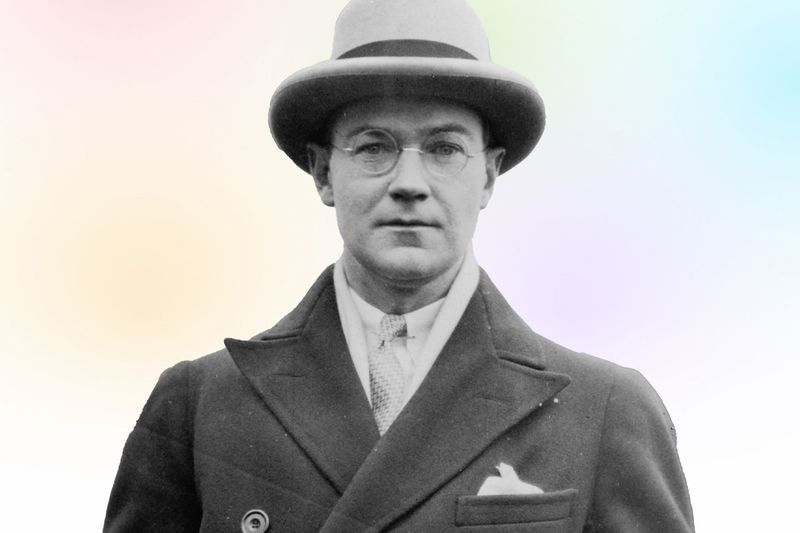
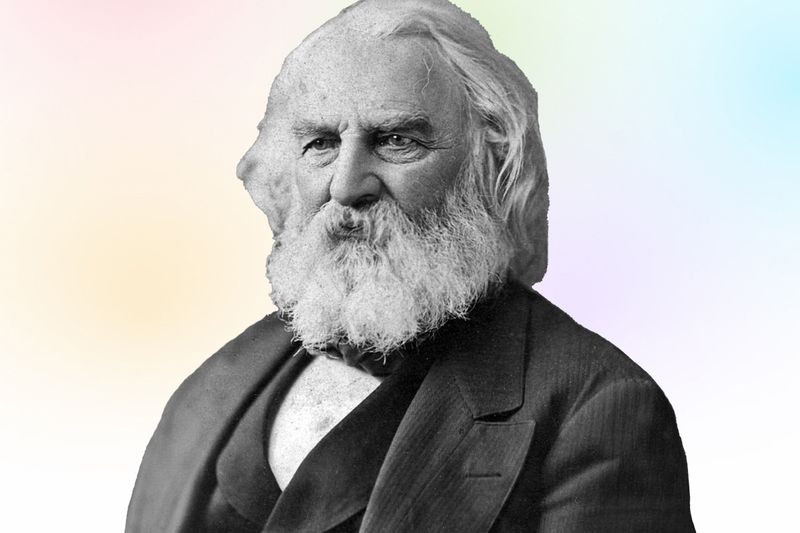
Henry Wadsworth Longfellow
Poet and educator (1807-1882)
Quotes By Henry Wadsworth Longfellow
Advertisement
Featured Image Credit: GL Archive/ Alamy Stock Photo
recommended articles
Custom post type for authors
Poet and educator (1807-1882)
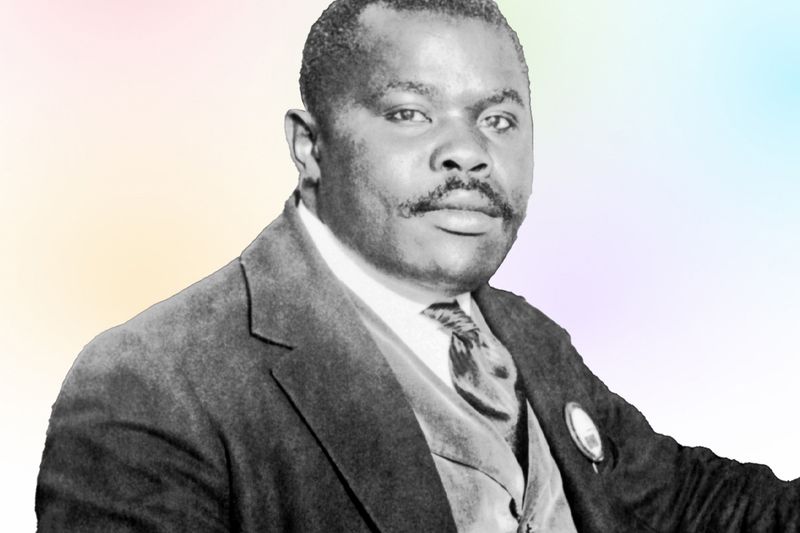
Political activist and Black nationalist leader (1887-1940)
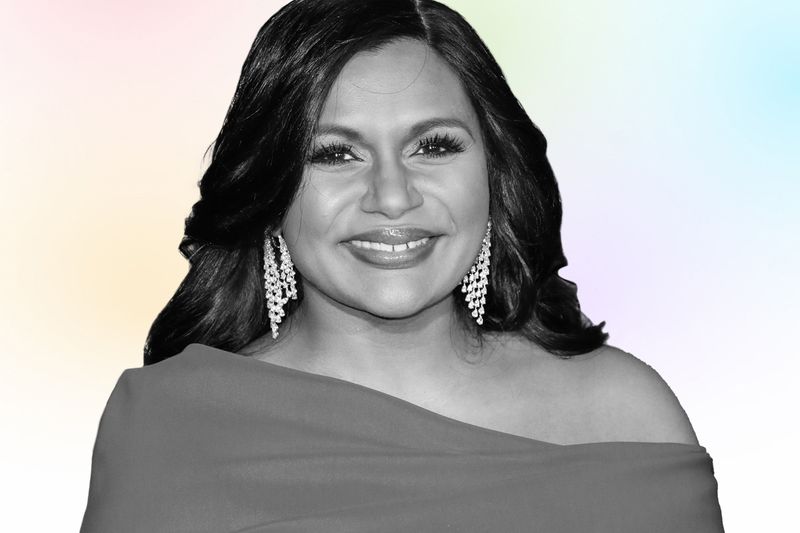
Actress, producer, and screenwriter (1979-present)
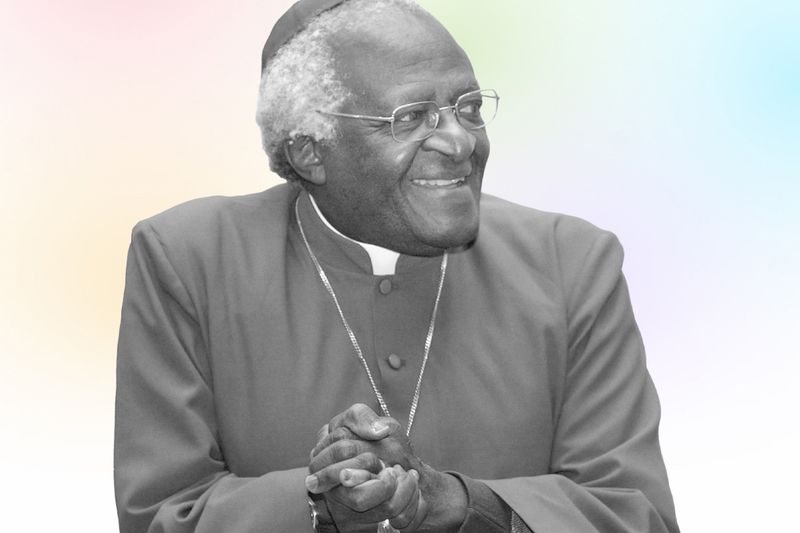
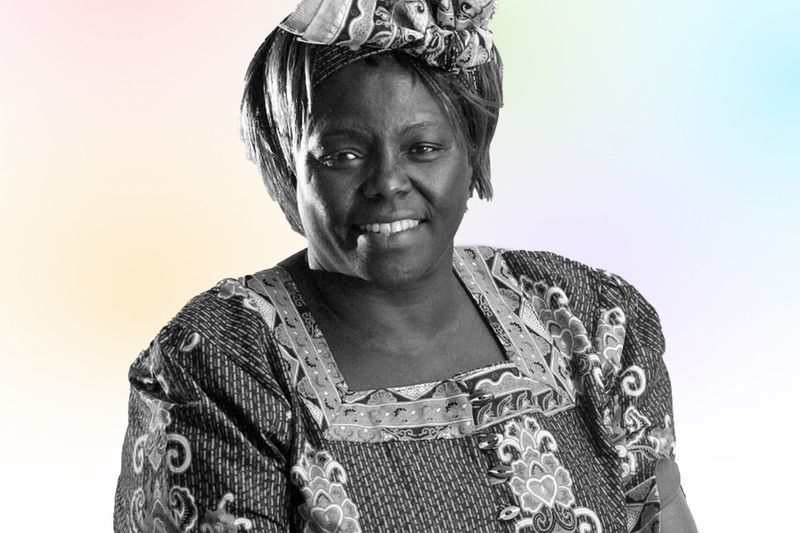
Kenyan activist (1940-2011)
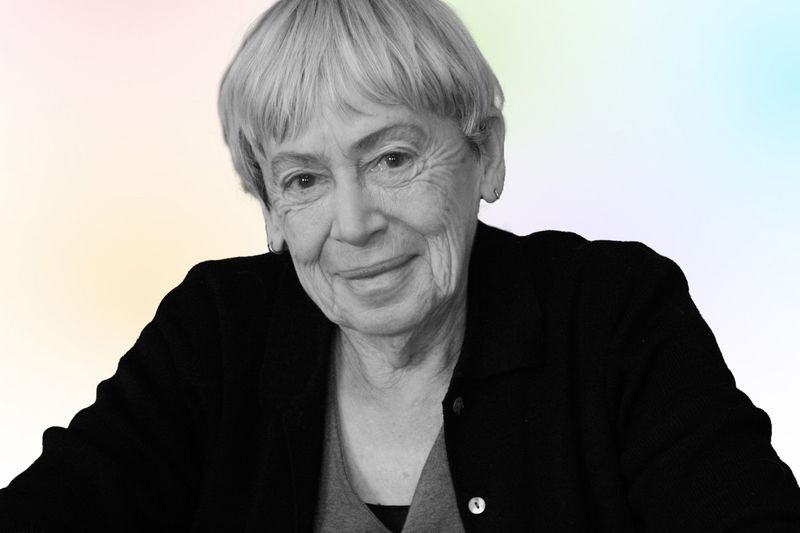
Science fiction author (1929-2018)
In a career spanning nearly six decades, Ursula K. Le Guin’s imagination changed the landscape of science fiction and fantasy storytelling. Born into a scholarly family in Berkeley, California, in 1929, Le Guin had early writing aspirations, submitting stories to magazines before she was even a teenager. She didn’t start...
In a career spanning nearly six decades, Ursula K. Le Guin’s imagination changed the landscape of science fiction and fantasy storytelling. Born into a scholarly family in Berkeley, California, in 1929, Le Guin had early writing aspirations, submitting stories to magazines before she was even a teenager. She didn’t start her writing career in earnest until the late 1950s; by the late 1960s, she found critical and commercial success with novels such as A Wizard of Earthsea (1968) and The Left Hand of Darkness (1969).
The Earthsea series, written across six books published between 1969 and 2001, follows the journey of a young wizard named Ged, an early forerunner to modern fantasy heroes such as Harry Potter. In The Left Hand of Darkness, Le Guin compassionately explored gender and identity in ways not done before. Her prolific output — more than 60 books, including novels, short stories, essays, and more — thoughtfully and presciently tackled topics such as capitalism, colonialism, and anarchism. Her work was nothing short of groundbreaking, and throughout her career it won her numerous prestigious awards including the Living Legend medal from the Library of Congress in 2000. She died in 2018 at the age of 88.
Playwright (1896-1949)
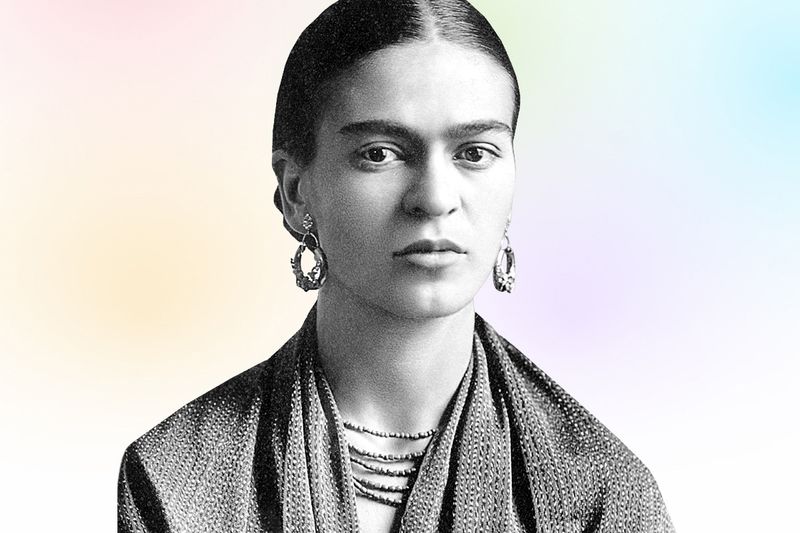
Mexican painter and self-portraitist (1907-1954)
Frida Kahlo, born in 1907 in Coyoacán, Mexico, endured a life marked by pain — and artistic brilliance. When Kahlo contracted polio at age 6, it required a period of isolation that would ultimately spark a lifetime of resilience and introspection. Despite an early aptitude for sketching, Kahlo didn’t necessarily...
Frida Kahlo, born in 1907 in Coyoacán, Mexico, endured a life marked by pain — and artistic brilliance. When Kahlo contracted polio at age 6, it required a period of isolation that would ultimately spark a lifetime of resilience and introspection. Despite an early aptitude for sketching, Kahlo didn’t necessarily want to be an artist — she dreamed of practicing medicine. At 18, however, a devastating bus accident derailed her plans. During her long recovery, including more periods of isolation, she turned to painting, including her first of many self-portraits, 1926’s Self Portrait in a Velvet Dress.
In 1929, Kahlo married renowned muralist Diego Rivera; their partnership, though tumultuous, profoundly informed Kahlo’s life and art. She embraced her Mexican heritage, donning the traditional Tehuana clothing that became central to her work. Frida created around 200 paintings in her lifetime; many of them, including Henry Ford Hospital and My Birth, explored identity and suffering, and often viscerally depicted the female experience. La Casa Azul (the Blue House), her lifelong home, was her sanctuary, filled with her art and Mexican folk treasures. Kahlo died there in 1954 at age 47, leaving behind a cultural legacy that has far transcended the art world.